
Yeast Infections in Dogs

Overview
Some types of yeast normally live on a dog’s skin and in their ears without causing problems. But when the yeast grows too much, it can lead to itchy, smelly ears and skin. So why does yeast overgrow, and how can you stop it? Here’s what you need to know.
Can Dogs Get Yeast Infections?

Yes, dogs can get yeast infections—and they’re very common. Most skin and ear infections are caused by a yeast called Malassezia pachydermatis. In long-term infections, this yeast can make the skin thick, dark, and wrinkled. Some people liken it elephant skin.
What Does a Yeast Infection Look Like on a Dog?
Yeast infections caused by M. pachydermatis can affect a dog’s skin and ears. Skin infections often show up on the lips, feet, belly, armpits, groin, and neck, but any area of skin can be affected.
How can you tell if your dog has a bacterial infection or a yeast infection? One clue is the smell. Yeast infections often have a musty odor that, along with the signs listed below, can point to a yeast problem. You may even notice your dog’s paws smelling like Fritos, which may be a sign of yeast growing.
The signs of a skin yeast infection in dogs include:
- Itchy skin, but not always
- Red skin
- Hair loss
- Increased dandruff
- Greasy skin
- Increased odor of skin
- Thickened, black bald skin in long-standing infections (a.k.a. elephant skin)
- May also have concurrent skin bacterial infections
Symptoms of a yeast infection in their ear include:
- Itchy, red ears (head shaking, scratching, rubbing)
- Increased odor of ears
- Black/dark brown debris in ears
Keep in mind that dogs can have yeast and bacterial infections at the same time. And yeast often overgrows because of an underlying problem. If you notice any signs of a yeast infection, it’s time to talk with your vet.
What Causes Yeast Infections in Dogs?

Most healthy dogs don’t have trouble with yeast. Yeast becomes a problem when a dog has an underlying skin issue, ear disease, a hormone imbalance, or spends a lot of time swimming.
Any dog can develop a yeast infection. But some breeds like the West Highland White Terrier, Poodle, Cocker Spaniel, Basset Hound, and Dachshund are more prone to it. Additional factors that are risk factors or causes of yeast infections in dogs include:
- Living in an area that is hot and humid
- Having a hypersensitivity condition such as atopy (environmental allergies), food allergy, or flea allergy
- Seborrhea
- Hormonal conditions such as Cushing’s disease or hypothyroidism
- Dogs that have lots of skin wrinkles
Diagnosing Yeast Infections in Dogs
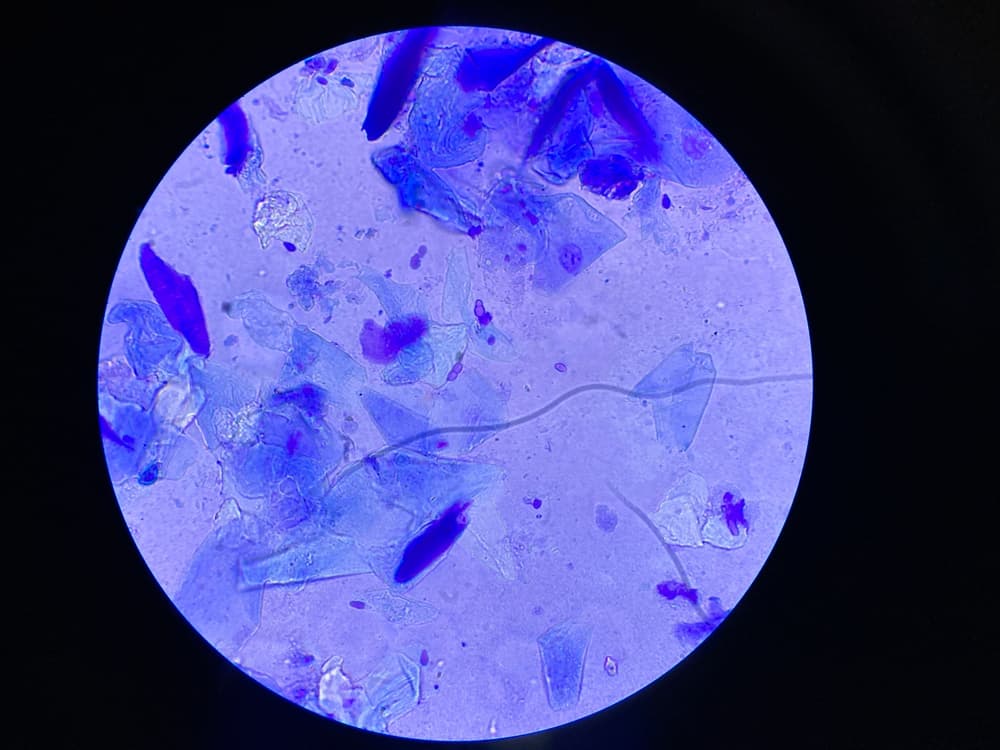
Vets diagnose yeast infections in dogs. They look at your dog’s medical history, listen to what you’ve noticed, and do a full exam. They may also run simple skin tests. Most often, the vet takes a small sample from the skin or ear with a cotton swab, stains it, and checks it under a microscope. If they see lots of yeast, your dog is diagnosed with a yeast overgrowth.
If your vet suspects an allergy or hormone problem is leading to yeast overgrowth, they may recommend further testing.
Dog Yeast Infection Treatment: Ways to Manage

To treat yeast infection in dogs, your vet will focus on lowering the amount of yeast with antifungal medication and addressing any underlying cause. Remember, when a dog is healthy, yeast usually stays under control.
If your dog only has a problem in their ears or on a small area of skin, then topical antifungal therapy will be prescribed. This can include medicated shampoos, creams, lotions, and sprays to be applied to the affected area.
For chronic or severe infections, vets often use both topical products and oral antifungal ear drugs such as ketoconazole. If your dog is very itchy or swollen, your vet may also add steroids or another anti-itch medicine.
If your dog has allergies, then your veterinarian will discuss various allergy treatments with you. If your dog’s yeast infection is caused by a hormonal disorder, then your vet will go over that with you as well. Often, if you manage the underlying conditions, your dog will not have problems with yeast again.
Cost to diagnose and treat a yeast infection typically ranges from $75-$150. This does not include the cost to treat an underlying condition, if present.
Dog Yeast Infection Home Remedy Risks
You may see claims online that apple cider vinegar or coconut oil can cure a yeast infection, but this isn’t true and may even make things worse. One safe at-home option is hypochlorous acid (HOCl). HOCl is a gentle disinfectant with antifungal, antibacterial, and anti-inflammatory properties, and it can help support treatment for skin and ear yeast infections. It works only when made in a stabilized formula and is available as a liquid or in wipes.
How to Prevent Yeast Infections in Dogs
If your dog often gets yeast infections—or you want to prevent them—there are several things you can do at home to lower their risk:
- If your dog has an underlying condition that predisposes them to yeast infections, get that problem managed.
- For dogs that swim a lot or get repeat ear infections, a few drops of a 1:1 white vinegar and rubbing alcohol mix can help dry and acidify the ears after swimming or as needed. Do NOT use this solution if they already have an infection, as the alcohol is irritating to damaged skin. You can also use a hypochlorous acid ear solution as well.
- Use hypochlorous wipes to clean their paws and skin folds daily, or anywhere they seem to have a buildup of yeast. If your dog has seasonal allergies, use the wipes to remove pollen and dust that might be aggravating.
- Give your dog a high quality probiotic daily to balance their gut health, which can help balance health in the rest of the body as well.