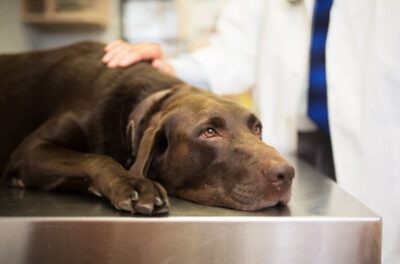

Dog UTI Treatment Plan: What to Expect

All featured products are chosen at the discretion of the GreatPetCare editorial team and do not reflect a direct endorsement by the author or reviewer.
If you’ve ever had a urinary tract infection, you know how uncomfortable they can be. A dog with a urinary tract infection, UTI for short, also experiences uncomfortable symptoms, and a chronic UTI can cause damage to the urinary bladder or kidneys without appropriate treatment. This article provides a deep dive into dog UTI treatment, including how to make your pup more comfortable and decrease the chance of recurrence.
Dog UTI Treatment Plan: What to Expect
Once your furry friend is diagnosed, dog UTI treatment depends on the underlying cause. If your dog has a one-time, uncomplicated UTI without any underlying problems, then treatment is straightforward and relatively inexpensive. If your dog has recurrent urinary tract infections or underlying disease, such as diabetes mellitus, Cushing’s disease, or urinary stones, then treatment is aimed at resolving the urinary tract infection and the underlying cause (if possible) and will cost more.
Antibiotics are always prescribed for dog UTI home treatment. Dogs are typically given oral antibiotics in pill or capsule form for the pet parent to administer themselves, or they can be administered by the veterinary staff as a one-time injection under the skin. Be sure to give all antibiotics as prescribed until finished, even if your dog’s symptoms resolve before they’re done with the medication.
While antibiotics are needed to resolve the UTI, they can also disrupt normal gut flora. Therefore many veterinarians will also recommend probiotics to reduce the likelihood of diarrhea or stomach upset. If you are giving antibiotics and probiotics at the same time, be sure to separate administration of these medications by at least 2 hours, otherwise the antibiotics will kill the probiotics. It’s best to give probiotics to dogs right before bed.
Additionally, because UTIs are painful, veterinarians may also prescribe pain medication, such as muscle relaxants and/or anti-inflammatories.
If your dog has recurrent or complicated UTIs, treatment may extend beyond antibiotics and could include:
- Therapeutic dog food to dissolve urinary stones and crystals
- Surgery
- Multiple veterinary rechecks with lab tests
- Treatment or management of other underlying problems (diabetes, Cushing’s, etc.)
Dog UTI Treatment Cost
Since there are a number of dog UTI treatments available, the cost will vary. The cost of antibiotics can range from $35 to $300, depending on which antibiotic is used (ex: amoxicillin treatment usually ranges from $35 to $75), the size of the dog, how long the dog has to be given antibiotics, and whether or not the UTI is complicated.
The cost of pain medication typically ranges from $30 to $75, while therapeutic dog food ranges $40 to $100 per bag, depending on the size of the bag of dog food.
If surgical therapy is needed, it’ll usually be anywhere from $1000 to $3000.
Veterinary rechecks with lab tests can cost $50 to $150 per visit (with the exact price contingent on geographic location and what tests are ordered), and the cost of treatment for other underlying issues will vary.
Dog UTI Medications
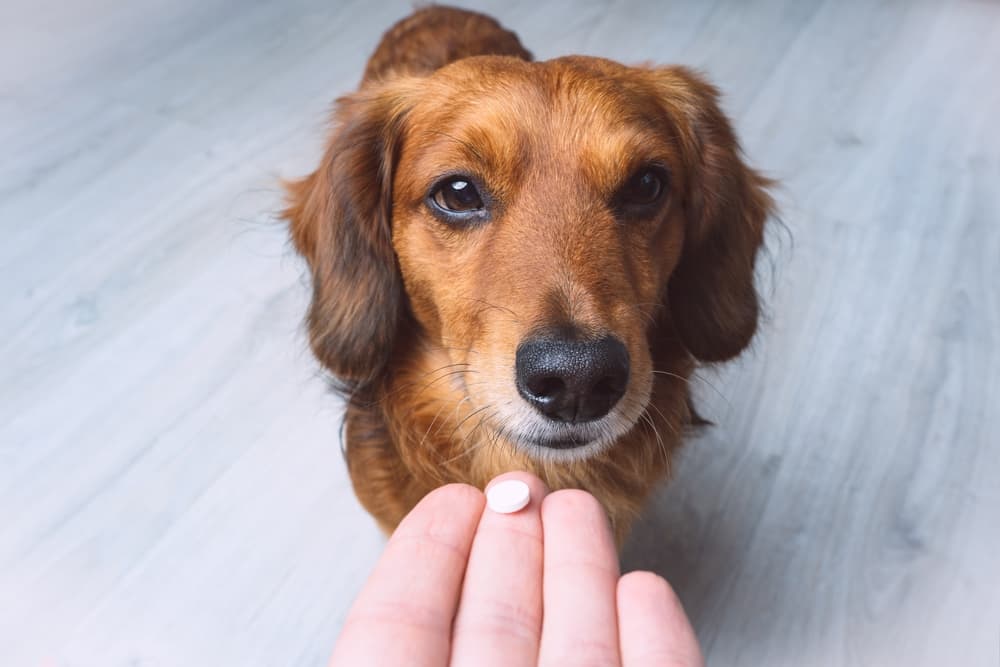
UTI treatment for dogs always involves prescription antibiotics. Amoxicillin is often used as a first-line antibiotic in dogs that have not had a UTI before. Otherwise, antibiotics are selected based on urine culture and sensitivity, which means that bacteria in the urine are cultured in a laboratory, and then different antibiotics are tested to see which one will be effective in eliminating the infection.
In addition to amoxicillin, some of the antibiotics that are commonly used for UTIs include:
- Trimethoprim-sulfadiazine (TMS)
- Amoxicillin-clavulanate (Clavamox)
- Cefovecin
- Enrofloxacin, marbofloxacin, orbifloxacin
Less commonly, amikacin, chloramphenicol, nitrofurantoin, or meropenem may be prescribed.
Uncomplicated UTIs are typically treated with 7 to 10 days of antibiotics, while complicated UTIs may require 4 to 6 weeks of antibiotics.
Prescription pain medication for UTIs may include carprofen (Rimadyl), trazodone, and/or muscle relaxants. It’s also important to note that you should never give your dog any over-the-counter pain medication without first consulting with your veterinarian.
Dietary Considerations for Dogs With UTIs
If your dog has a single, uncomplicated UTI then you do not need to change their food; regular dog food is fine for them to eat. If they have recurrent urinary tract infections or problems with urinary crystals or stones, then your veterinarian may recommend a therapeutic dog food that is designed to reduce urine crystal formation and promote bladder health.
The type of therapeutic food that your vet will recommend will depend on the type of crystals or stones your dog has in their urine, so it’s critical to work with a veterinarian to choose the right one.
UTI Supplements for Dogs
Probiotics are an excellent way to boost your dog’s immune system. This is because the gut has the largest collection of immune cells in the body, and dogs that develop a UTI often have alterations in their gut flora. By giving a high-quality probiotic, you can help improve immunity in the gut, which protects the whole body.
If you don’t routinely give your dog probiotics, you should at least give your dog probiotics while they are on antibiotics and for a couple of weeks after finishing antibiotics to restore normal gut flora. Remember to separate from antibiotic administration by at least 2 hours.
Cranberry extract is another supplement pet parents can consider for dogs that are predisposed to recurrent UTIs, as it may inhibit some bacteria from sticking to the bladder wall. Additionally, fish oil (which contains omega-3 fatty acids) is known to promote health of the entire urinary tract. Before giving your dog any supplements, check with your veterinarian to make sure there are no contraindications or drug interactions.
Dog UTI Treatment at Home: Tips and Advice

If your pup has an uncomplicated UTI, you can expect to see improvement after starting treatment. Your dog should start to feel better right away with pain medication, and urinary signs should improve dramatically within the first 24 to 48 hours. Uncomplicated UTIs can be assumed to be completely resolved if there is no recurrence of symptoms after treatment is completed.
If your dog starts to have signs of a UTI again after you have finished treatment, or if their symptoms don’t improve within 24 to 48 hours after starting therapy, then you should assume that treatment is not resolving the infection. In this case, your dog either needs different antibiotics or has a complicated UTI that requires additional therapy. Call your veterinarian right away for advice, as they will most likely want you to bring your dog back to run some tests. Fortunately, UTIs in dogs are often uncomplicated, easy to treat, and respond well to treatment under the supervision of a veterinarian. If your dog has signs of a UTI, work with your veterinarian to get them on the road to recovery as fast as possible.
Can Diet Help Manage UTIs in Dogs?
While most uncomplicated urinary tract infections are treated with antibiotics, diet can play an important supportive role in dogs with recurring UTIs, or those that develop bladder stones.
Some dogs are prone to forming crystals or stones in their bladder. These mineral deposits can irritate the bladder lining, making infections more likely to occur.
Dogs with recurrent or longstanding UTIs are more likely to develop struvite stones. The presence of struvite stones can make antibiotic therapy less effective for UTIs as the stones themselves shield the bacteria from treatment.
In these cases, your veterinarian may recommend a therapeutic prescription urinary diet like Royal Canin Urinary SO as part of a long-term management plan.
Royal Canin Urinary SO Dry for Dogs
Royal Canin Urinary SO Can for Dogs
Such diets are specially formulated to help promote urinary tract health and reduce risk factors that can cause UTIs. For example, Royal Canin® Urinary SO dog food is formulated to promote more dilute urine and control mineral levels that can contribute to the development of struvite and calcium oxalate crystals. Some diets are also designed to help dissolve specific types of bladder stones.
It’s important to note that these diets are not a substitute for antibiotics when a bacterial infection is present. Instead, they are used as part of a broader treatment and prevention strategy for dogs with ongoing urinary concerns. They require a prescription to purchase and should only be used under veterinary supervision.
If your dog has had more than one UTI or has been diagnosed with bladder stones, ask your veterinarian whether a prescription urinary diet could be part of the solution.