

Sponsored by CareCredit
Older Cat Losing Weight: 8 Common Causes
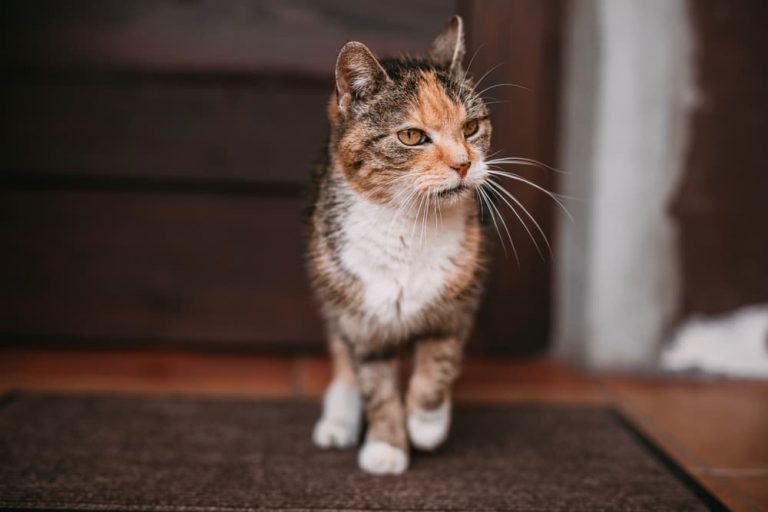
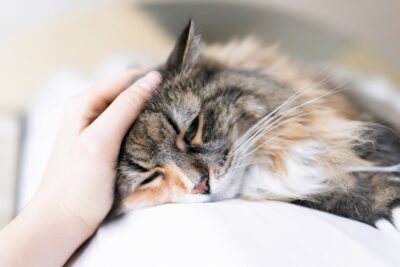
As cats age, things change. Their behavior, playfulness, and health (including their metabolism and weight) may change. Without enough protein, fat and other nutrients, senior cats can begin to look scrawny.
15 percent of cats over 12 years old have a low body condition, meaning they don’t have enough muscle or weigh less than they should.
But how do you know if your older cat losing weight is normal? What does weight loss look like in senior cats, and when should you discuss it with your veterinarian? Let’s explore senior cat weight loss in more detail.
Senior Cat Weight Loss: Is It Common?
Senior cat weight loss is very common. Senior cats have a decreased ability to absorb fat and protein. They lose about 1/3 of their lean body mass, meaning the weight your cat would be without any fat.
After cats reach 11 years old, they need more nutrition to maintain their resting body weight. This can result in weight loss, particularly if a health issue causes your cat to not eat well.
While some weight loss is common for senior cats, it is not always normal. Many health conditions that cause your cat to need more nutrients are more common in senior cats. Many times, older cats hide their illness until they feel very sick. At that point, excessive weight loss happens fast.
Speak with your veterinarian as soon as you notice signs of weight loss in your cat. This is especially important if it’s accompanied by changes in behavior, appetite, or activity level. Catching health concerns early will make them much easier to treat and keep your cat comfortable.
Create a free GreatPetCare account to monitor your cat’s weight using our handy Weight Tracker tool. Plus, when you download the GreatPetCare app, you can log weight changes, set custom reminders, and manage your pet’s medical records easily on the go!
What Does Senior Cat Weight Loss Look Like?
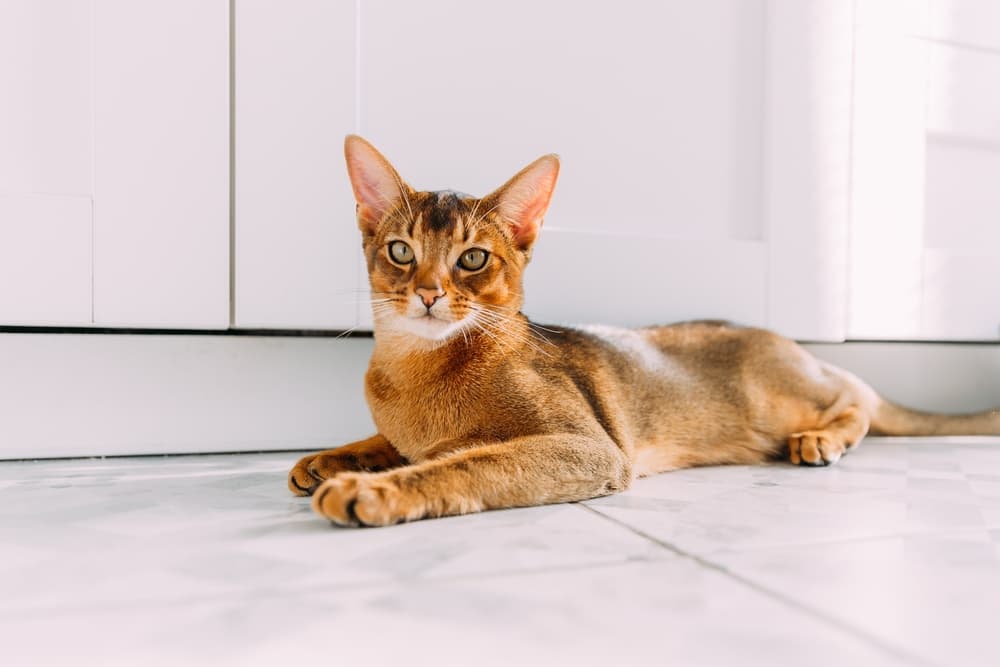
Many senior cats lose weight gradually, so it is difficult to notice the weight loss when you see your cat every day. But if a senior cat is ill, it’s possible that weight loss can be quick and dramatic. If you can’t recall when your cat started to lose weight, and the changes in appearance are subtle, the weight loss has likely been a gradual process.
There are two types of weight loss: total body mass and lean body mass, or muscle. When a cat loses weight, the body tries to prevent the loss of lean body mass, so fat is eliminated first. However, in some nutritional issues or medical conditions, muscle is lost instead. This is coupled with the natural loss of muscle in senior cats.
Loss of total body mass is easier to spot. Your cat will have less fat under the stomach and around the waist, and the midsection looks smaller.
Muscle loss is tougher to identify but is easiest to tell when running your hand down the spine of your cat. The spine, a row of bones, have bony pieces that stick up. Typically, good amounts of muscle cause the spine to feel fairly flat. But when muscle loss occurs, the bones protrude more and are much easier to feel firm bumps down your cat’s back. Other muscles are affected as well, including the legs which will look skinnier, especially the back legs.
Why Is My Older Cat Losing Weight? 8 Common Causes
In order to treat your cat’s weight loss, it’s important for veterinarians to identify the cause of the weight loss. These are common reasons that older cats lose weight:
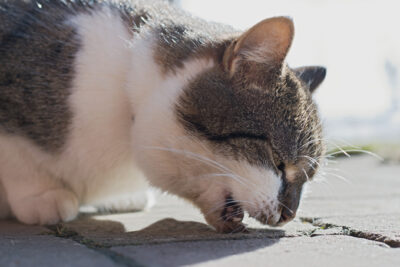
Dental disease. Issues with the teeth or inflammation in the gums can make chewing and eating quite painful. Infection can occur which makes cats feel ill.
Inflammatory bowel disease. Inflammatory bowel disease (IBD) is when a cat’s intestines and/or stomach is inflamed. It could be allergies to food or just inflammation in general with no known cause. Chronic diarrhea or just inflammation in the intestines can lead to protein loss, which leads to rapid weight loss if left untreated.
Chronic kidney disease. Kidney issues in cats are very common. Kidney disease often leads to nausea, which results in decreased appetite, and increased loss of protein. This causes muscle loss in cats.
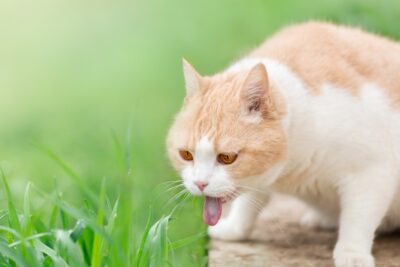
Hyperthyroidism. Thyroid hormone is produced in higher amounts, leading to much higher nutrient needs. Often, cats with hyperthyroidism experience gastrointestinal (GI) side effects such as vomiting, which further decreases their ability to get enough nutrition.
Diabetes mellitus. When cats have diabetes, their insulin production is decreased. Insulin is a hormone that regulates blood sugar. Diabetes results in many hormonal changes that cause cats to lose weight, including breaking down muscle. Diabetic cats have very specific nutritional needs, and their weight will not return until their blood sugar is regulated.
Cancer. Cancer of any part of the body could be to blame for weight loss. It can be very hard to detect until it is in advanced stages in cats.
Degenerative joint disease (arthritis). While arthritis will not directly cause weight loss in cats, it often causes them to be less active, leading to decreased muscle mass. Arthritis can make walking or retrieving food quite painful and decrease the amount of nutrition that your cat gets.
Normal aging. It is a normal aging process to lose muscle as well as a little body weight. Keep in mind that this would be very gradual and in very small amounts. Pet parents should never assume weight loss in a senior cat is normal until they’ve spoken with their vet.
Other Symptoms to Note
Symptoms that may go along with an older cat losing weight include:
- Vomiting
- Diarrhea
- Decreased activity
- Changes in behavior, like vocalizing at night
- Changes in your cat’s habit of jumping (i.e. not jumping onto surfaces the cat used to)
- Not eliminating in the litter box
- Increased urine
- Increased drinking
Some pet parents report fur loss, or a different appearance to the fur, when they discover their cat lost weight. This can be due to pain or discomfort that your cat is feeling due to an underlying illness like arthritis. Cats may remove their fur in times of mental stress, but this is rare.
If you notice these symptoms in conjunction with weight loss, you should make an appointment to see your veterinarian.
Cats can lose weight without displaying other symptoms and while having a good appetite. This may happen due to hormone differences or imbalances or the diet they are eating is no longer supporting their nutritional needs. Talk to your veterinarian if you have concerns about your senior cat’s weight loss.
What to Do If You Notice Weight Loss

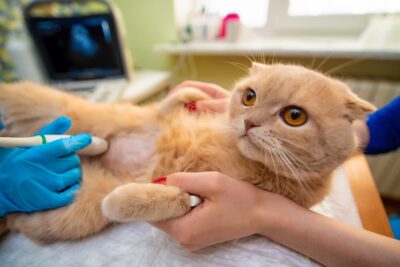
If you notice your older cat losing weight, speak with your veterinarian right away. A thorough exam will be performed, paying close attention to your cat’s teeth and if the weight loss noted is muscle loss or overall weight loss.
Most veterinarians will recommend bloodwork and urine testing to test your cat’s organ functioning. This bloodwork will likely include a thyroid test. If these are normal, depending on what your veterinarian saw during examination, she is likely to make further recommendations. These may include X-rays to look for arthritis and to get a better look at your cat’s organs.
As you get to the bottom of your cat’s weight loss, you may start to feel stressed about covering the costs of lab work, diagnostics, or medications your cat may need. Even if you have pet insurance, it may not cover everything. A veterinary financing option like the CareCredit credit card can be another tool in your arsenal that helps provide flexibility and peace of mind.*
Helping Senior Cats Gain Weight

In general, senior cats require more care. Senior cats need to gain weight until they reach (or slightly exceed) their ideal weight. Veterinarians determine ideal weight by using a chart comparing different body conditions.
Here are some things that can help older cats gain weight:
Medications: Most of the diseases that cause weight loss can be treated or managed with medications. Antinausea medications often increase appetite, which can help support weight gain in older cats.
Appetite stimulants: Appetite stimulants are medications that increase a cat’s appetite. If your cat is picky about eating or has a decreased appetite, an appetite stimulant may be helpful.
Nutritional supplements: Senior cat nutrition via supplements can help support healthy aging and decrease weight loss in cats. Glucosamine, chondroitin, and omega fatty acids support joint health. Coenzyme Q10 helps the body recycle and reuse vitamin E, which eliminates free radicals. Speak with your veterinarian about what supplements are best for your cat.
Dietary changes: Diet is key to preventing weight loss. It must be palatable to your cat – meaning your cat likes the taste, smell, and texture of the food and eats it well. Cats’ taste can change as they age, and as pet parents we need to search for a nutritious diet made for senior cats that they enjoy. If a medical condition exists, prescription diets are ideal since they are specially designed to provide the exact nutrition your cat needs. Feeding high protein and low carbohydrate food is best for senior cats.
Frequently Asked Questions (FAQs)
Can a senior cat lose weight and still be healthy?
Yes, some mild weight loss can happen as cats age. Older cats may lose muscle or become less active. However, unplanned or ongoing weight loss is not normal and often signals an underlying health problem. Any weight loss in a senior cat should be checked by a veterinarian.
Why is my old cat getting skinny but still eating?
If your cat is losing weight but still has a good appetite, it could point to a medical issue. Common causes include hyperthyroidism, kidney disease, diabetes, or problems absorbing nutrients. A vet visit and basic testing can help find the cause.
What to feed an old cat that is losing weight?
Many senior cats benefit from high-quality, high-protein foods that are easy to digest. Wet food can help increase calorie intake and hydration. Your vet may also recommend a prescription diet or calorie-dense food based on your cat’s health needs.
How do I fatten up my senior cat?
The goal isn’t just weight gain, it’s healthy weight gain. Start by seeing your vet to rule out illness. Once medical issues are addressed, your vet may suggest feeding smaller, more frequent meals, switching to higher-calorie or senior-specific food, or adding a supplement. Avoid forcing food or adding human foods without guidance, as this can cause more harm than good.
*Subject to credit approval
This information is shared solely for your convenience. Neither Synchrony nor any of its affiliates, including CareCredit, make any representations or warranties regarding the products described, and no endorsement is implied. You are urged to consult with your individual veterinarian with respect to any professional advice presented.