
Dog Skin Issues: How the Right Diet Can Help

Most dog skin issues are best managed through a multimodal therapeutic plan, which means that multiple treatments are used to manage the condition and improve the dog’s quality of life. Nutrition has an important role to play in improving the welfare of dogs with skin issues, especially skin allergies. Here, we’ll cover how nutrition can help dogs with skin issues, especially those with food or environmental allergies.
Common Skin Issues in Dogs
Before we cover how targeted nutrition can help with the management of skin issues in dogs, let’s review some of the common skin conditions affecting our canine companions.
Atopic dermatitis: Atopy is an itchy skin condition most commonly caused by environmental allergens like pollen or dust mites. Common skin allergy signs in dogs include redness, itchiness, recurrent ear infections, and hair loss.
Food allergies: Skin issues are the most common presentation of food allergies in dogs. Dogs with food allergies are most commonly allergic to the protein in the food, such as chicken or beef. These dogs may have red, itchy skin and recurrent ear infections. Some also have gastrointestinal signs, like gassiness or loose stools.
Flea allergies: It’s common for dogs to be allergic to the proteins in a flea’s saliva, causing widespread itchiness, redness, and hair loss.
Skin infections: Skin infections in dogs are usually caused by bacteria or yeast. Most commonly, these occur secondary to allergic skin disease. In addition to itchiness and redness, you may notice red pimple-like bumps, red scales, or crustiness.
Nutrition to Support Dogs with Food Allergies

If flea allergy dermatitis has been ruled out, the next step for most dogs presenting with allergic skin disease is to rule out food allergies.
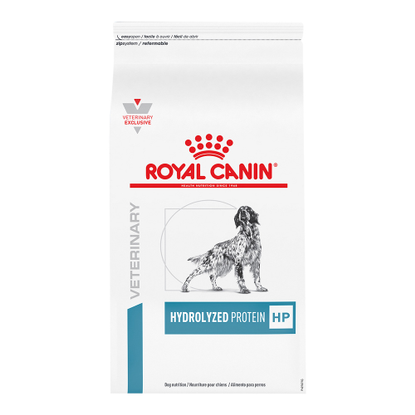
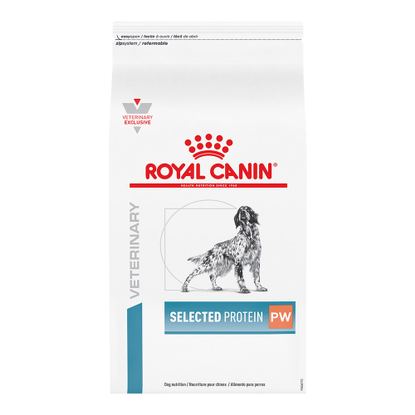
To determine if a pet has food allergies, the veterinarian will usually recommend an elimination diet trial. During an elimination diet trial, a dog is usually fed a hydrolyzed protein diet (like Royal Canin Hydrolyzed Protein HP) or a novel protein diet (like Royal Canin Selected Protein PW) for a specific amount of time, often 4 to 12 weeks. During this time, the dog cannot eat anything except the recommended diet. If they do, the trial may need to be restarted.
If the dog has food allergies, the expectation is that the symptoms will improve on the new diet. If the old food is reintroduced, the symptoms should recur.
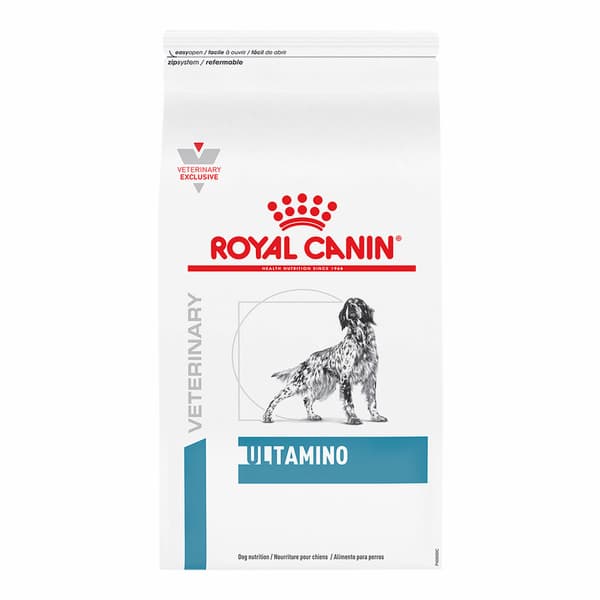
As mentioned earlier, most food-allergic dogs are allergic to the proteins in their diet, such as chicken, beef, or dairy. In a hydrolyzed protein diet like Royal Canin Hydrolyzed Protein HP or Royal Canin Ultamino, the proteins are broken into smaller components that are not recognized as allergens by the immune system. As a result, the dog doesn’t have the allergic reaction that manifests as itchy, red skin.
When a novel protein diet is used, like Royal Canin Selected Protein PW (contains whitefish) or Royal Canin Selected Protein PD (contains duck), the goal is to give the dog a protein they haven’t been exposed to before. Because the dog isn’t allergic to this new protein, they won’t have the same skin issues as before.
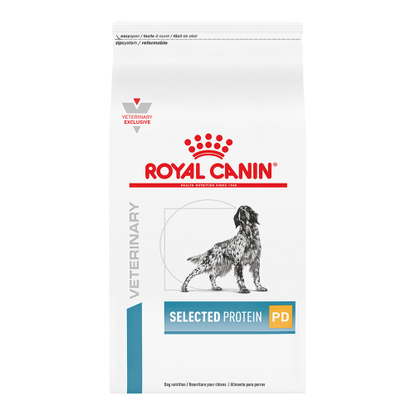
Aside from including either hydrolyzed or novel proteins, food for dogs with allergies often has other qualities that help to improve skin health, such as optimal amounts of omega-3 fatty acids (EPA or eicosapentaenoic acid and DHA or docosahexaenoic acid) to promote a healthy skin barrier and coat.
Some of these skin diets are also formulated to meet additional health needs, such as weight loss, joint health support, or the prevention of urinary stones.
Nutrition to Support Dogs with Environmental Allergies

Pet parents and veterinarians alike sometimes overlook the role nutrition plays in supporting dogs with environmental allergies. Dogs with atopy generally have a dysfunctional skin barrier that allows allergens and bacteria to penetrate into the skin barrier. They also have an overreactive immune system that identifies these allergens as a threat. Combined, the dysfunctional skin barrier and overreactive immune system result in a generally itchy and miserable dog.
It’s true these dogs generally will need other treatments, such as oral medications like Apoquel, allergy shots, and topical treatments. However, many of these patients could also benefit from a special food for dogs with environmental allergies, like Royal Canin Skintopic. Remember, the best approach to managing allergic skin disease is multimodal.

Ingredients in prescription diets which may support the skin barrier and reduce skin inflammation include:
- Omega-3 and omega-6 fatty acids: Linoleic acid, alpha-linolenic acid (ALA), EPA, and DHA help reduce skin inflammation, improve the skin barrier, and prevent moisture loss through the skin.
- Vitamins A, E, and B: Vitamins are involved in the function of the skin barrier and the body’s immune responses. Biotin (vitamin B7) helps maintain the skin barrier, reduce dryness, and improve coat health through its impacts on fatty acid production and fat metabolism.
- Zinc: This antioxidant mineral plays an important role in skin health and proper immune function.
- Probiotics: The balance of bacteria and other microorganisms in the gut has been shown to impact skin health, potentially through their impacts on the immune system.
Visible results are usually expected at around the two-month mark. Keep in mind that these dogs do best with multimodal therapy, meaning other treatments given in addition to a dog food for skin issues will usually give the best results.
Other Tips and Advice for Dealing with Dog Skin Issues

Because nutrition is just one piece of the puzzle that is skin health management in dogs, make sure to keep in mind these other tips and advice for dealing with your dog’s skin issues.
Keep your dog on parasite prevention. Fleas are one of the leading causes of allergic skin disease in dogs. Flea-allergic dogs can also have food or environmental allergies, and control of all allergy triggers is essential.
Avoid allergen exposure. In addition to changing your dog’s diet and utilizing other treatments, you should avoid known allergens. In a food-allergic dog, this means knowing what ingredients are in treats and what flavorings are in medications. In a dog with environmental allergies, this might mean keeping windows closed during allergy season, using air filters, and vacuuming more regularly.
Consider topical treatments. Bathing dogs can help remove allergens directly from the skin. Some shampoos, mousses, and sprays also contain ingredients that help soothe skin and enhance the skin barrier, like essential fatty acids or ceramides.
Get infections treated. Dogs with allergic skin disease are more likely to develop bacterial and yeast skin infections. Unless these infections are treated, you’re unlikely to notice much improvement in your dog’s allergy symptoms regardless of which allergy management strategies you utilize. Speak with your veterinarian if you’re noticing pimple-like spots, red crusts or scales, oozing patches of skin, or a foul or yeasty odor to your dog’s skin.
Dietary changes and other management strategies should occur under the guidance of a veterinarian. If you have any concerns about your dog’s skin health or wish to try out another treatment like dog food for dogs with skin allergies, make sure to speak with your veterinarian.