

6 Reasons to Consider Supplements for Dogs

All featured products are chosen at the discretion of the GreatPetCare editorial team and do not reflect a direct endorsement by the author or reviewer.
Similar to the human health and wellness space, there are innumerable supplements out there for our canine companions. In fact, the global pet supplement industry is projected to be worth over $1.05 billion by 2027.
Given the growth of pet supplements and seemingly endless options, it can feel overwhelming knowing if and when your dog needs a supplement.
Supplements for dogs may help relieve hip and joint pain, improve cognition, relieve anxiety, support urinary health, and strengthen bones, among other benefits. Whether your dog is young or old, anxious or fearful, or suffering from an ailment, the right supplements may help them live a happier and healthier life.
This article will delve into the signs, behaviors and indicators to determine when your dog might benefit from supplements and how to find the best products to suit your pet.
What Are Dog Supplements?

Dog supplements are concentrated forms of ingredients that can be added to your pet’s diet to boost nutrition and enhance your dog’s quality of life. Pet parents can start including supplements as early as puppyhood, and continue to provide dogs with support throughout their lives—especially during their golden years.
“Supplementation can be added to your pet’s diet at any stage of life,” says Dr. Jennifer Frione, owner of Lakeside Animal Hospital in Florida. Dr. Frione recommends supplements for pets with anxiety, illness, or disease (depending on the disease and the pet’s diet).
According to Grand View Research’s latest report, “Pet supplements provide essential nutrients that help in improving the immune system and reducing the risk of heart diseases, cancer, inflammation, and diabetes. In addition, pet supplements such as fish oil, biotin, and amino acid improve the skin and strengthen the ability to fight with common problems, such as bacterial infection, itchy skin, and environmental allergies.”
Supplements for dogs come in the form of treats or tablets, liquids and powders. “The best form to administer is whatever best fits you and your pet’s lifestyle,” says Dr. Frione. “If it is easier to give a treat every morning, then find a supplement in the form of a treat. If your pet doesn’t like treats, then maybe a powder or liquid form is best for you and your pet.”
But before giving your dog any supplements, Dr. Carol Osborne says that it’s always a good idea to check with your veterinarian first to make sure that the supplement you’re considering is a safe and effective option.
Dr. Osborne, who is an author, integrative veterinarian, and founder of the American Pet Institute, recommends starting dogs on supplements sooner than later in life. “It is a great idea because it [may] help to extend your pet’s healthy years,” she explains.
Reasons to Consider Supplements for Dogs
As pet parents, we tend to only notice when our dog has an issue—weight gain, skin irritation, coat shedding, changes in appetite, increased urination or the inability to climb stairs or jump out of a car. If we supplement dogs with the nutrients they need early on, it may help reduce or slow those symptoms, Dr. Osborne suggests. “Instead of those body systems being stressed and experiencing aging when they normally would, we’re able to kick that back a little bit,” she says.
Different sizes and types of dogs may benefit from different supplements. “Large dogs are prone to bone and joint issues and [may] need supplements for [those issues],” says Dr. Sara Ochoa of White House Veterinary Hospital in Texas. “Smaller dogs may have teeth or heart issues and can benefit from supplements that are targeted to help those areas.”
Other dogs with anxiety issues may benefit from calming supplements with ingredients like CBD, melatonin, and chamomile.
If you are feeling unsure about whether your dog may need to take a supplement, here are some reasons you might want to consider one.
Keep in mind that if you are feeding your dog an appropriate diet that meets the standards of AAFCO for your dog’s life stage, then your dog’s nutrition is complete and balanced.
Your Dog Is Moving Slower

Hip and joint supplements for dogs may help them if they are struggling with movement due to arthritis. While feeding your dog a high-quality senior diet can provide them with what their body needs, for diseases like osteoarthritis, Dr. Frione recommends adding a supplement with omega fatty acids, glucosamine, and chondroitin to your dog’s daily regimen to help reduce inflammation of the joints.
Supplements alone are generally insufficient for relieving the pain of arthritis. “A supplement combined with other medications, like an NSAID (nonsteroidal anti-inflammatory drug), prescribed by your veterinarian will help keep your arthritic pet comfortable,” she adds.
Hip and joint supplements to consider:


Your Dog Is a Stress Ball

No matter how old your pooch is, they could be prone to anxiety, either when left alone at home or on car rides to the veterinarian or road trips. If this is the case, your dog can likely benefit from a calming supplement when given together with behavior modification training and/or prescription medications.
Dr. Frione says to look for supplements containing L-theanine or L-tryptophan. “They are both amino acids that help reduce the stress response and promote relaxation,” she explains. “A supplement with those amino acids along with a well-balanced diet will help anxiety conditions.”
Dr. Ochoa recommends supplements containing CBD (cannabidiol) for helping keep dogs calm during stressful situations. “CBD affects the endocannabinoid system, a complex system that contains multiple different receptors that play an important regulatory role throughout the body,” she says.
CBD helps activate receptors in the brain, which produces a calming effect.
Calming supplements to consider:


Your Dog’s Skin Is Itchy

“Omega fatty acids help relieve itching and/or inflamed skin,” says Dr. Frione and recommends supplements containing flaxseed oil and fish oil to help with any skin disorders in your dog.
“Pet owners should look for skin and coat supplements that include EPA and DHA,” she adds. “Those ingredients combined help rebuild and restore inflamed and allergic skin.”
EPA (eicosapentaenoic acid) and DHA (docosahexaenoic acid) are common omega 3 fatty acids.
Skin and coat supplements to consider:


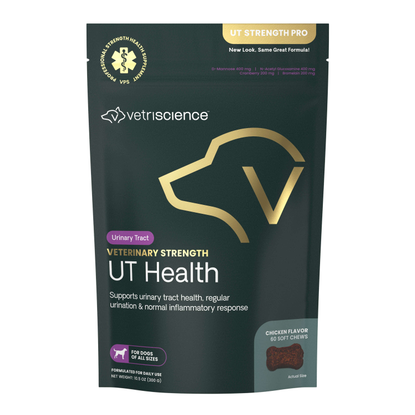
Your Dog Has Urinary Tract Issues

If your dog is prone to recurrent urinary tract infections, a cranberry supplement may help. “Cranberries contain compounds called proanthocyanidins that prevent E. coli bacteria from attaching to the lining of your pet’s urethra and bladder,” explains Dr. Frione.
However, she warns that cranberries “also have a compound called oxalates that can be potentially dangerous for pets with pre-existing conditions.” She emphasizes finding a quality cranberry supplement and consulting with the veterinarian before giving this supplement.
Urinary supplements to consider:


Your Dog Has Dementia

As your dog gets older, they may not be as mentally sharp or alert and a cognitive supplement can enhance their life. Canine Cognitive Dysfunction (CCD), also known as dementia, is a neurobehavioral syndrome affecting dogs in their later years. It can cause disorientation, low energy levels, excessive barking, aggression, pacing, and/or other unusual behaviors.
There is no cure for CCD, however, Dr. Frione says, “Nutritional supplementation can complement the use of medication, behavioral enrichment, and environmental management to help treat the symptoms of cognitive dysfunction syndrome.”
CBD products for pets may also help with brain function in dogs, according to Dr. Ochoa. “CBD has been shown to help protect the brain,” she says. “CBD cannot reverse dementia, but it may help decrease the stress and anxiety that your pet may be feeling from the disease.”
Cognitive supplements to consider:


Your Dog Is Constipated

Just like humans, dogs also experience gastrointestinal issues, and can suffer from constipation. Probiotics for dogs contain useful bacteria and when given in paste, tablet, or powder form may help your pooch’s gut health.
Imbalances in the bacteria of your dog’s gastrointestinal tract can lead to gastrointestinal issues, such as loose stools. By administering probiotics to your dog, you support a healthy and balanced microbiome, which is important for digestion, Dr. Ochoa says.
Probiotic supplements to consider:


How to Choose the Right Supplement for Your Dog

With so many choices on the market, it’s hard to pick the right supplements for your pet. To make matters more complicated, supplements are not FDA regulated. Look for products that carry the National Animal Supplement Council (NASC) seal.
Both Drs. Ochoa and Frione recommend getting supplements that are backed by research and come with good reviews. “When in doubt, consult with your pet’s veterinarian,” suggests Dr. Frione.
“When looking for supplements, see if they are actually tested and show that what they say is in the supplement is actually in them,” Dr. Ochoa says. “Many supplements are full of filler and very little of the actual ingredient that helps your dog.”
In order to verify what is in your dog’s supplement (especially CBD products), see if the brand offers a Certificate of Analysis (COA). A COA is issued by an accredited laboratory and details what is in a product.
It’s also a good idea to check to see if the product is endorsed by a non-biased third-party. Look for laboratory testing and consider veterinarian-formulated products over those that don’t have a veterinarian working with them.
It’s also important to keep in mind that many supplements have a short shelf life because they do not contain many additives and preservatives. “Do not buy supplements in bulk as they will go bad before you can use them all,” Dr. Ochoa recommends.
To help your dog’s supplement supply stay fresh, consider opting for a subscription or auto-renew service that will deliver supplements to your door based on when your dog runs out.
Above all, supplements for your dog shouldn’t be considered a cure for ailments, anxiety, or disease. They are simply supplementing other treatments and/or training, and should be part of a holistic pet wellness plan.