

Sponsored by CareCredit
Cat Bladder Stone Surgery: Cost and What to Expect
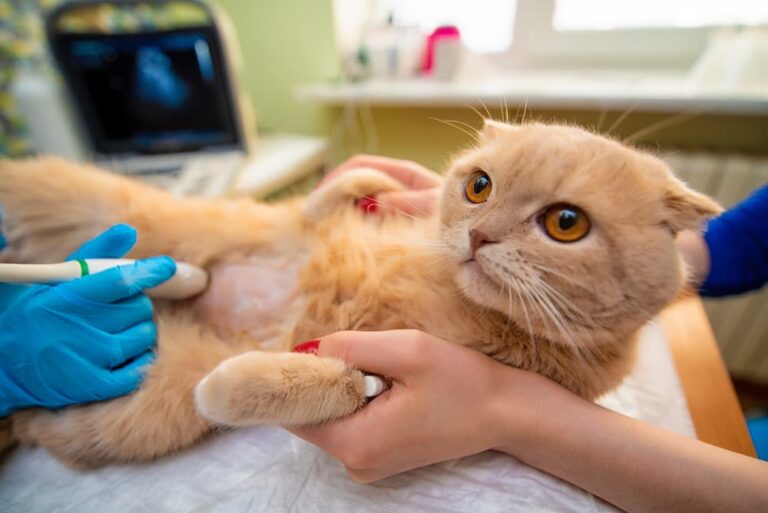
Cat parents know when their cat is not feeling well. They may be showing vague signs like eating less and hiding more. If your cat has bloody urine or has started peeing outside of the litter box, they may have a bladder issue like bladder stones. After rushing your cat to the veterinarian, hearing that they need surgery can be scary — will they be OK? How long until they feel better? And how much is this going to cost?
Cat bladder stone surgery is a relatively common procedure, but it requires significant veterinary expertise, along with diagnostic testing and medications. As a result, costs can reach thousands of dollars. Fortunately, financial tools such as pet insurance or health care credit cards like CareCredit* can help make these expenses more manageable over time. Read on to learn what the surgery involves for your cat and what it may cost.
What Is Cat Bladder Stone Surgery (Cystotomy)?
A cystotomy is the surgery to remove bladder stones in cats. Cystotomy means a surgical incision is made into the bladder. Quite a few adult cats develop bladder stones, or little stones made of minerals that sit in the bladder. The most common kind of stone is made of calcium oxalate, and the only way to remove the stones is surgery. The second most common kind of stone is made of struvite. Special prescription diets can be used to dissolve this type of stone, but in some cats, the stones end up blocking the flow of urine out of the bladder. In this case, surgery is a must and you cannot wait for the stone to dissolve.
What Does Bladder Stone Surgery for Cats Involve?
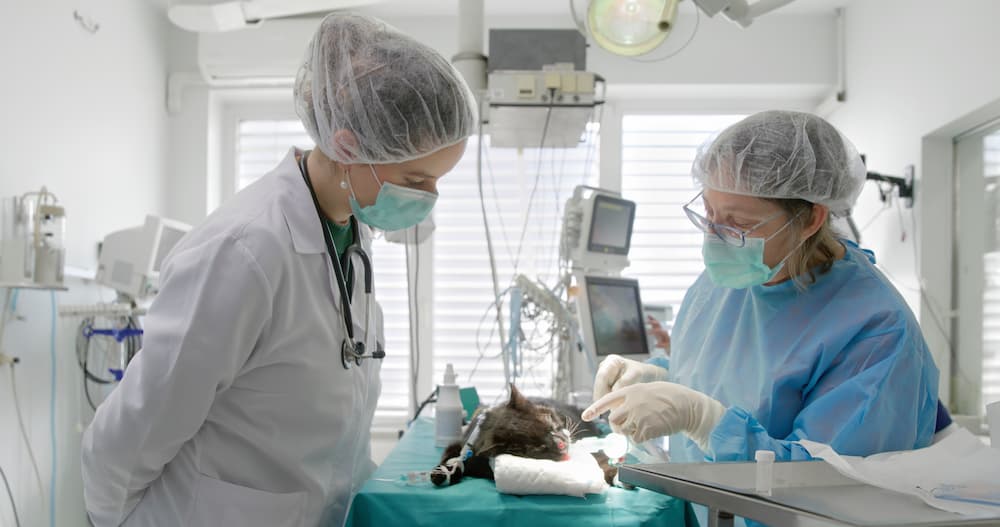
Prior to cystotomy, your cat will need to have tests run. Bacterial infections are relatively common with struvite stones, and a test on the urine (urinalysis) will look for signs of infection. Bloodwork along with the urinalysis evaluates your cat’s kidneys, which are connected to the bladder. Bloodwork will also ensure your cat’s electrolytes are balanced and the rest of their organs are functioning well. If there is a bacterial infection, they will need antibiotics to start prior to surgery. If electrolytes are imbalanced, your veterinarian will give fluids either through a catheter or under the skin.
On the day of surgery, your cat should not eat, but water is allowed until you leave for the veterinary hospital. Cystotomy involves a veterinarian putting your cat under anesthesia for a couple hours and opening the abdomen (belly). Once they find the bladder, they open it to remove stones and inspect the health of the bladder. The veterinarian will flush out the bladder and urethra (the tube leading from the bladder to the outside world), to ensure that all stones are removed. The veterinarian uses sutures to sew your cat’s bladder closed, followed by the abdomen.
Most cats can go home the same day as the procedure. If your cat had a urinary blockage or has kidney disease, they may need to stay in the hospital overnight. You will be sent home with pain medications and probably antibiotics (if not started already).
Bladder Stone Surgery for Cats: Benefits and Risks
There are several benefits of surgery to remove bladder stones in cats, but there are risks as well. Whether or not surgery is best for your cat depends on many factors that pet parents should discuss with their veterinarian. Some benefits include:
- Necessary removal of blockage if unable to urinate
- Reduces the likelihood of future blockage
- Eliminates painful bladder infections by removal of stones (and with antibiotics)
- Good outcome for vast majority of feline patients.
Surgery is not right for every cat. Some risks include:
- General anesthesia — most cats can safely receive anesthesia but the risk is much higher for cats with severe illness, like severe kidney disease
- Discomfort and straining to urinate for 2-4 weeks after surgery
- Rare complication of bladder opening inside after surgery, leading to life-threatening situations.
Pain does occur because of the surgical procedure, but the pain of blockage to urinate is much worse. Chronic discomfort from ongoing bladder infections is also a serious concern. For these reasons, if your cat is a candidate for anesthesia, this procedure would be considered the best choice for most cats.
Bladder Stones in Cats Surgery Cost
The cost of surgery can vary widely depending on your location, your cat’s condition, and the level of care required. CareCredit reports an average cost of about $1,439 (1) for this surgery, though in larger metropolitan areas, prices can reach $2,500 or more. This typically includes anesthesia, pain medication, and antibiotics.
If your cat is very sick or unable to urinate, they may also require hospitalization or extended monitoring for several hours to several days, which can add several hundred dollars to the total cost. Because expenses like these are often unexpected and difficult to budget for, many pet parents rely on CareCredit or pet insurance to help manage the financial burden.*
Bladder Stones in Cats Surgery Recovery

Most cats can return home the same day after surgery. You will need to restrict your cat’s activity for one to two weeks while they recover. Keeping your cat from jumping and running is very challenging, so they may need to stay in a large crate or very small room during this time. You will give your cat pain medication for approximately seven days, as well as antibiotics in most cases. These come in pill or liquid form. Overall, recovery takes two to four weeks, depending on the severity of infection (if present) and other factors like kidney disease.
You will see blood in your cat’s urine for a few days after surgery. Your cat may strain to urinate, or posture as if they are going to urinate and hardly anything (or nothing) comes out. This straining should cease within four weeks after the procedure. This typically occurs not because your cat has a blockage, but because inflammation after surgery makes the bladder somewhat uncomfortable.
About two weeks after surgery, it is crucial to return to your veterinarian’s office for a follow-up visit. During this appointment, the veterinarian will recheck your cat’s urine for bacterial infection. If the infection is not cured, more stones will form. Your veterinarian will also check your cat’s incision to ensure it is healing well. You will find out what your cat’s stones are made of and discuss whether a prescription diet may help prevent future stone formation.
Reference
- Veterinary Exam and Procedure Costs. CareCredit. Retrieved from https://www.carecredit.com/vetmed/costs/
*Subject to credit approval. See carecredit.com for details.
This information is shared solely for your convenience. Neither Synchrony nor any of its affiliates, including CareCredit, make any representations or warranties regarding the products described, and no endorsement is implied. You are urged to consult with your individual veterinarian with respect to any professional advice presented.