

Cat Skin Issues: How the Right Diet Can Help

All featured products are chosen at the discretion of the GreatPetCare editorial team and do not reflect a direct endorsement by the author or reviewer.
Cats are known for keeping their coats clean and well groomed, which can make cat skin issues harder to notice at first. These issues are common and can occur for many reasons, including allergies and parasites like fleas.
Nutrition plays an important role in supporting cats with skin conditions, especially those with food or environmental allergies. Understanding how targeted nutrition works and making appropriate dietary changes can help improve your cat’s overall skin health.
Common Skin Issues in Cats
Before we cover how targeted nutrition can help with the management of skin issues in cats, let’s review some of the common skin issues affecting our feline companions:
Atopic dermatitis: Atopic dermatitis (atopy) is an itchy skin condition caused by environmental allergens, such as pollen or dust mites. Common skin allergy signs in cats include redness, itchiness (pruritus), and fur loss.
Food allergies: Skin problems are the most common sign of food allergies in cats. In addition to red, itchy skin, your cat may also experience recurrent ear infections and gastrointestinal issues, such as loose stool or excessive gas. Cats with food allergies are most commonly allergic to proteins in their diet, such as chicken, beef, or fish.
Flea allergies: Some cats are allergic to the proteins in flea saliva, leading to intense itching, red skin, and hair loss.
Skin infections: Secondary bacterial or yeast infections in cats can develop due to excessive scratching and licking. In addition to itchiness and redness, you may notice small bumps, crusting, or areas of hair loss.
Nutrition to Support Cats with Food Allergies

If flea allergy dermatitis has been ruled out, the next step for many cats with allergic skin disease is to evaluate for food allergies.
Approximately 12 percent of cats evaluated for itchy skin are diagnosed with food allergies (1). Beef, fish, and chicken are the most common food allergens (2). Testing for food allergies is not very accurate, so your veterinarian will likely recommend an elimination diet trial. During this trial, your cat is usually fed a hydrolyzed protein diet (such as Royal Canin Hydrolyzed Protein HP) or a novel protein diet (like Royal Canin Selected Protein PD) for a set time period. This typically takes four to eight weeks, though some cases may take up to 12 weeks.
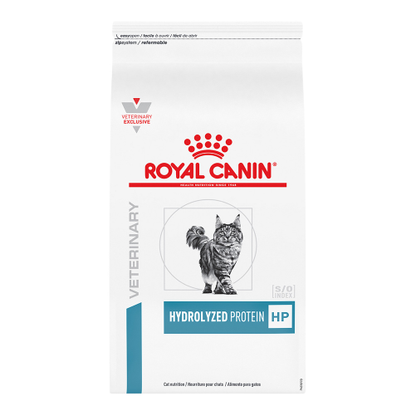
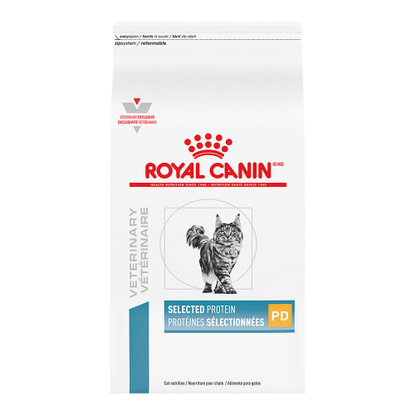
During the trial, your cat cannot eat any other cat foods, treats, or human food. Be cautious with medications, as some are flavored with beef or chicken.
If your cat has a food allergy, symptoms should improve while on the new diet. Reintroduction of the original diet will typically cause symptoms to return.
Hydrolyzed protein diets, like Royal Canin Hydrolyzed Protein HP or Royal Canin Ultamino, contain proteins that are broken down into smaller components that are less likely to trigger an immune response. This allows the cat to receive adequate nutrition without experiencing allergic reactions.
Novel protein diets feature less common protein sources, because some pets develop sensitivities to common proteins like chicken and beef. The goal of a novel protein diet is to feed your cat a protein they have not eaten before, such as Royal Canin Selected Protein PD (contains duck), or Royal Canin Selected Protein PR (contains rabbit). If their immune system doesn’t recognize the protein, it’s less likely to trigger an allergic response.
In addition to specialized protein sources, diets formulated for cats with food allergies often include nutrients that promote skin health. Omega-3 fatty acids, such as EPA (eicosapentaenoic acid) and DHA (docosahexaenoic acid), help strengthen the skin barrier and reduce inflammation. Probiotics help support gastrointestinal health, which can be affected in cats with food allergies.
Because cats are obligate carnivores, it is essential that any elimination diet remains complete and balanced to prevent nutritional deficiencies.
If your cat’s symptoms do not improve significantly after this period, food allergies may not be the cause of your cat’s skin issue. This can be a challenging process to assess, especially since some cats may have both food and environmental allergies. If an elimination diet trial reduces symptoms, there may be a mix of allergies present.
Nutrition to Support Cats with Environmental Allergies
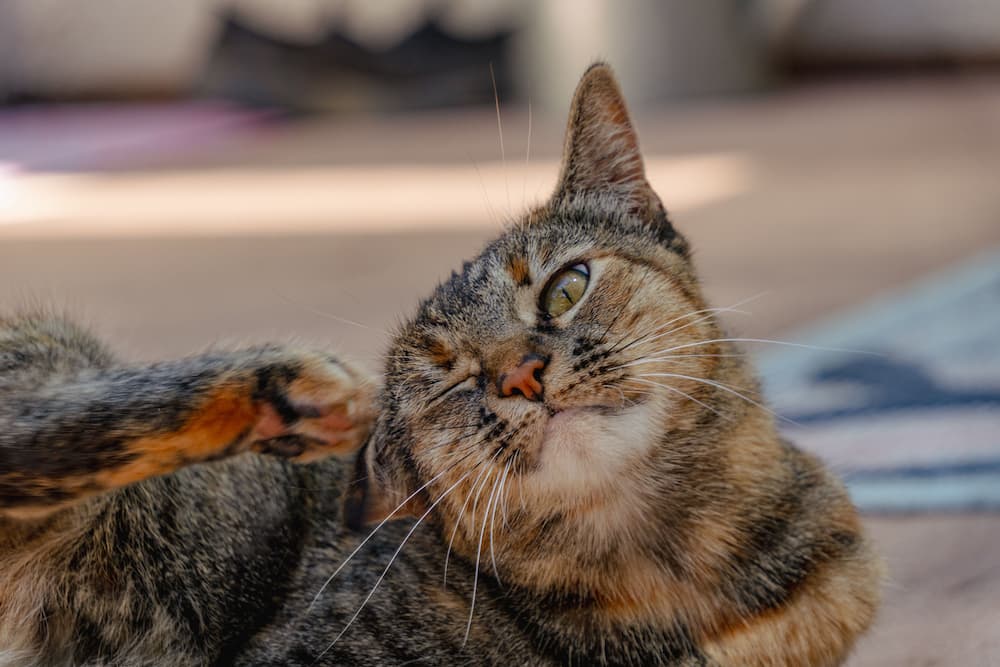
Nutrition can also play an important role in managing environmental allergies. Cats with atopy often have a compromised skin barrier and an overactive immune response, meaning allergens can more easily penetrate the skin and trigger inflammation.
While many cats with environmental allergies require additional treatments such as oral medications like Atopica or injections, nutrition can play a supportive role in managing these conditions. Therapeutic diets, such as Royal Canin, are specifically formulated to help strengthen the skin barrier and reduce inflammation. Again, a multimodal approach is the most effective way to manage allergic skin disease in cats.

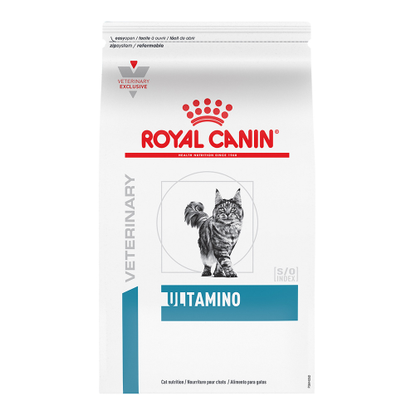
Nutrients in prescription diets that can help maintain cat skin health include:
- Omega-3 fatty acids (EPA and DHA): Help strengthen the skin barrier and reduce inflammation
- B vitamins and amino acids: Promote cell turnover and reduce skin inflammation
- Antioxidants: Help protect cells from damage and reduce inflammation
Once environmental allergies are managed appropriately, such as by feeding a high-quality cat food for skin issues, many cats show improvement in their symptoms in about two months, though it can take longer.
Other Tips and Advice for Dealing with Cat Skin Issues

Each cat with allergies can respond differently to treatment. Diet plays an essential role in maintaining skin health, but many cats also require medical treatment. Some require long-term medication as well as a strict diet, while others only require medication during “flare-ups” (when things worsen).
Because nutrition is only one part of managing cat skin issues, additional strategies can help maintain your cat’s skin health, such as:
- Keep your cat on year-round parasite control: Fleas are a common cause of allergic skin disease, and even a single bite can trigger a reaction in sensitive cats.
- Avoid allergen exposure: For cats with food allergies, carefully check ingredients in treats and medications. For cats with environmental allergies, regularly vacuum and clean your home, wash bedding, and minimize exposure to known allergens.
- Use topical products when appropriate: Hypoallergenic grooming wipes or medicated products may help remove allergens and soothe irritated skin.
- Work with your veterinarian: Many cats require a combination of dietary management and medical treatment, and finding the right plan may take time.
If you have concerns about your cat’s skin health or are considering a therapeutic diet, consult your veterinarian to determine the best approach for your cat. With your veterinarian’s guidance, many cats can achieve long-term relief and improved comfort.
Resources
- Hobi, Stefan et al. “Clinical characteristics and causes of pruritus in cats: a multicentre study on feline hypersensitivity-associated dermatoses.” Veterinary dermatology vol. 22,5 (2011): 406-13. doi:10.1111/j.1365-3164.2011.00962.x
- Olivry, Thierry et al. “Critically appraised topic on adverse food reactions of companion animals (1): duration of elimination diets.” BMC veterinary research vol. 11 225. 28 Aug. 2015, doi:10.1186/s12917-015-0541-3