
Sponsored by Vetnique
Stiff Joints in Dogs: 8 Natural Ways to Help Improve Mobility

All featured products are chosen at the discretion of the GreatPetCare editorial team and do not reflect a direct endorsement by the author or reviewer.
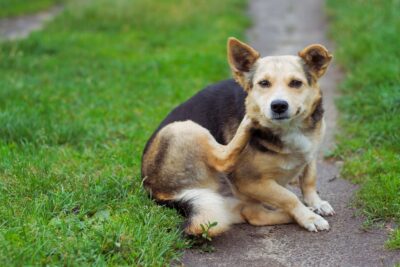
Many dogs start to slow down as they age. A once-enthusiastic fetch partner may hesitate before jumping into the car. Your walking partner that once pulled you around the block may lag behind. Pet parents often describe this as stiff joints in dogs, and it is one of the most common concerns veterinarians see in aging dogs.
Joint stiffness can happen for many reasons. Arthritis (also called osteoarthritis) is a major one, but past injuries, genetics, age-related wear and tear, and body weight can all play a role. The good news is that many dogs can move more comfortably with the right support.
Medication is sometimes necessary to relieve symptoms, but it is not the whole story. In veterinary medicine, we often use what is called a multimodal approach, meaning using several strategies working together. That can include diet, exercise, supplements, and other supportive therapies. Some veterinarians may recommend hip and joint health soft chews, such as YuMOVE Max Vet Strength, as part of that plan.
Let’s walk through some natural ways pet parents can help support mobility and comfort in dogs with stiff joints.
Stiff Joints in Dogs: The Importance of Supporting Joint Structure and Mobility
A healthy joint is an elegant biological system. The ends of bones are coated in smooth cartilage. A thick fluid called synovial fluid lubricates the joint so everything glides easily when the joint flexes or extends. Ligaments and muscles keep the joint stable.
Over time, this system can start to wear down. Cartilage becomes thinner. Inflammation can develop. The lubricating fluid may not work as well. The result is dog joint stiffness, reduced mobility, and sometimes pain, leading pet parents to seek solutions from their veterinarian.
No single solution fixes every aspect of joint pain. Instead, veterinarians utilize the multimodal approach, combining weight control, low impact exercise, pain medication, physical therapy, and supplements for dogs with stiff joints. Using several strategies together often leads to better outcomes for dogs with stiff joints. (1)
Think of it like maintaining a car. Oil, tires, brakes, and alignment all matter. When several pieces are addressed together, the ride improves.
Natural Ways to Help Improve a Dog’s Mobility
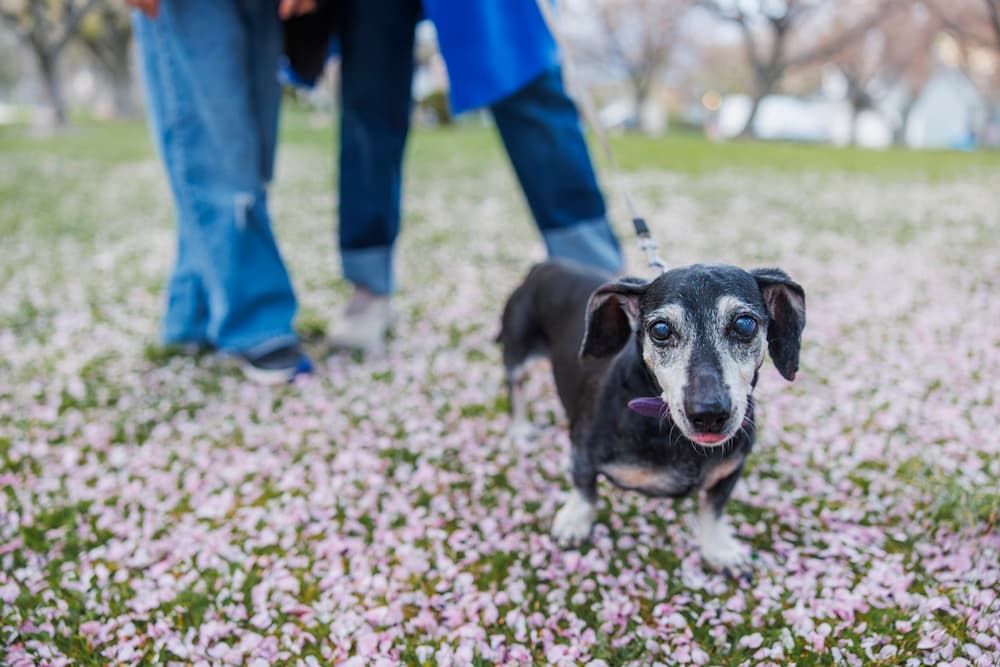
Because dog joint stiffness can signal underlying medical conditions, it’s important to have your veterinarian evaluate any new or worsening mobility changes.
Below are several natural remedies for stiff joints in dogs that veterinarians commonly recommend.
Joint Supplements
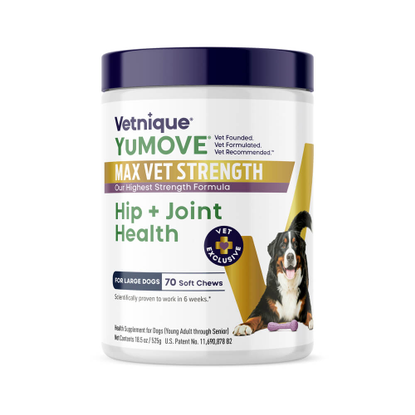
Joint supplements are often one of the tools we reach for. Many dog stiff joint supplements contain ingredients that help support cartilage, joint lubrication, and a healthy inflammatory response. For example, YuMOVE Max Vet Strength includes several ingredients commonly used in joint care:
- Glucosamine, chondroitin from green-lipped mussels, and N-acetylglucosamine (NAG) support the production of molecules that help maintain cartilage structure (2).
- Green-lipped mussels also contain omega-3 fatty acids that help support a normal inflammatory response.
- Hyaluronic acid helps lubricate joints because it is a natural component of synovial fluid.
- Vitamins C and E act as antioxidants that help neutralize damaging free radicals.
Supplements are not magic overnight fixes. It takes time for the active ingredients to build up therapeutic levels in the bloodstream. Even the best joint supplement takes several weeks to show benefits, but it is worth the wait, as many dogs experience noticeable improvement when supplements are given consistently and combined with exercise and weight control.
Omega-3 Fatty Acids
Omega-3 fatty acids, in particular EPA and DHA from fish oil, have been widely studied for their anti-inflammatory properties. Research in dogs with arthritis found that diets enriched with omega-3 fatty acids improved mobility and weight-bearing ability (3). Omega-3 fatty acids can be delivered through fish oil supplements, prescription joint diets, or joint products that contain marine ingredients, such as green-lipped mussel.
Weight Management
Extra body weight puts additional strain on joints not designed to carry that weight, leading to early wear and tear. Even a few additional pounds cause problems, especially in smaller dogs. In one well-known study, dogs that maintained lean body weight lived longer and experienced delayed onset of arthritis compared with their overweight counterparts (4).
If your dog has stiff joints, maintaining a healthy weight is one of the most powerful steps you can take to protect their joints. Ask your veterinarian what is a healthy weight for your dog and if your dog is overweight, your vet can create a weight loss plan. They can give you a target weight, daily calorie amounts, let you know how long it will take for the weight to come off, and recommend therapeutic weight loss foods.
Controlled Exercise
It might seem counterintuitive, but regular movement typically improves dog joint stiffness. As any physical therapist will tell you, motion is lotion. Movement recirculates joint fluid. Muscles act like stabilizing cables around joints, and when they weaken, mobility can decline and the risk of injury goes up.
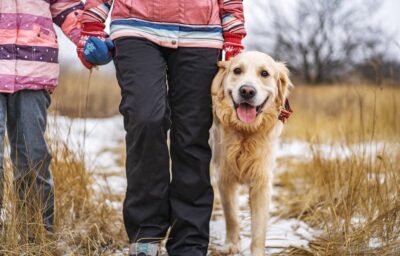
Low-impact activities such as leash walks, swimming, and gentle play help keep muscles strong and joints flexible. In general, short, consistent exercise sessions tend to work better than occasional intense activity. To keep your dog active and flexible, avoid weekend warrior activities without consistent conditioning.
Physical Therapy
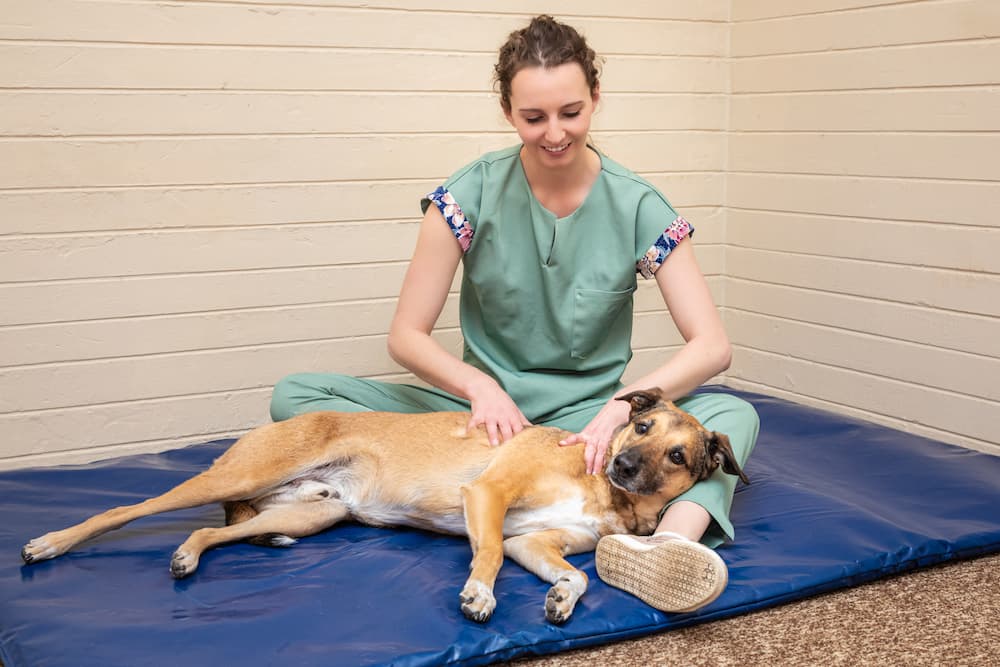
Veterinary physical therapy, otherwise known as canine rehabilitation therapy, is becoming more common and can be remarkably helpful for dogs with mobility issues. A trained rehabilitation veterinarian or therapist has many tools they can use to help your dog. Stretching, balance exercises, underwater treadmills, and targeted strengthening movements are all used to improve joint function. They can even teach you how to do these exercises at home. Arthritic dogs that struggle with everyday walking often show noticeable improvement after several weeks of rehabilitation therapy.
Heat Therapy
Heat therapy can be useful after exercise or during flare-ups of joint discomfort.
Applying a heating pad on low to the affected joint for about 10 to 15 minutes can help improve circulation, relax muscles, and provide temporary relief, as long as the dog is comfortable and tolerates it. Never leave your pet unattended when using a heating pad. Heated beds or warm water baths can also be incredibly beneficial for stiff, arthritic joints.
Massage Therapy
Massage helps improve circulation and relax tight muscles around joints. Massage should be performed by a trained rehabilitation therapist, but they can also show you a few gentle massage techniques you can perform at home. Many dogs enjoy it so much they roll over and request more. That is a good sign.
Alternative Therapies
Several complementary therapies are available to help some dogs with joint stiffness.
Options include:
- Acupuncture, which helps reduce pain signals
- Laser therapy, used by many veterinary clinics to support tissue healing
- Hydrotherapy, which allows dogs to exercise while reducing joint load
- PEMF therapy (pulsed electromagnetic field therapy), sometimes used in rehabilitation settings
These therapies do not replace veterinary care, but they can be useful additions for some dogs.
Other Tips to Help Dogs With Stiff Joints
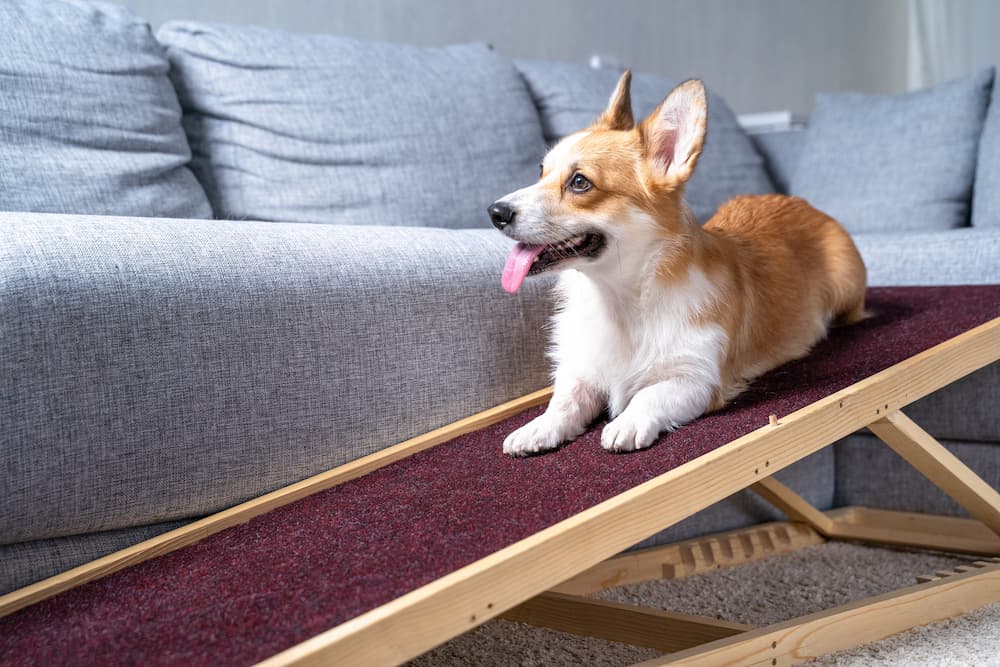
Sometimes the smallest changes at home make the biggest difference. If your dog struggles with mobility, consider these adjustments:
- Use ramps for cars, beds, stairs, or couches
- Place non-slip rugs or mats on slippery floors
- Provide a thick, supportive orthopedic dog bed to cushion joints away from hard surfaces
- Keep nails trimmed to improve traction
These simple modifications reduce strain on joints and help dogs move more confidently around the house.
Supporting a dog with stiff joints is rarely about just one solution. Comfort often improves when several strategies work together. With a thoughtful combination of weight management, appropriate exercise, supportive therapies, and joint supplements, many dogs can continue enjoying walks, playtime, and everyday adventures well into their senior years.
References
- Gruen, Margaret E., B. Duncan X. Lascelles, Erin Colleran, et al. 2022. “2022 AAHA Pain Management Guidelines for Dogs and Cats.” Journal of the American Animal Hospital Association 58 (2): 55–76. https://doi.org/10.5326/JAAHA-MS-7292.
- McCarthy, Grainne et al. “Randomised double-blind, positive-controlled trial to assess the efficacy of glucosamine/chondroitin sulfate for the treatment of dogs with osteoarthritis.” Veterinary journal (London, England : 1997) vol. 174,1 (2007): 54-61. doi:10.1016/j.tvjl.2006.02.015
- Roush, James K et al. “Evaluation of the effects of dietary supplementation with fish oil omega-3 fatty acids on weight bearing in dogs with osteoarthritis.” Journal of the American Veterinary Medical Association vol. 236,1 (2010): 67-73. doi:10.2460/javma.236.1.67
- Kealy, Richard D et al. “Effects of diet restriction on life span and age-related changes in dogs.” Journal of the American Veterinary Medical Association vol. 220,9 (2002): 1315-20. doi:10.2460/javma.2002.220.1315