
Sponsored by Vetnique
How to Bulk Up Dog Stools
All featured products are chosen at the discretion of the GreatPetCare editorial team and do not reflect a direct endorsement by the author or reviewer.
Pet parents spend a surprising amount of time thinking about poop, especially if they live in a big city, says Dr. Ann Hohenhaus, a senior veterinarian and director of pet health information at the Schwarzman Animal Medical Center in New York City.
“People obsess about poop, and I think that people in New York City obsess about poop more than in more rural places, because we’re expected to pick up dog poop off the street,” Dr. Hohenhaus says.
There’s a range of stool textures that are considered healthy for dogs. But when a dog’s poop starts looking more like pudding or melted ice cream, it’s usually a sign that pet parents need to take steps to firm things up.
So, how exactly do pet parents bulk up dog stools? We asked two veterinary experts to weigh in on strategies — from simple dietary changes to supplements designed to support stool quality and anal gland health.
Firm Dog Stool: Why It’s Ideal
The ideal dog stool should be “well-formed, moist, and easy-to-pick-up,” but not so firm that “you’re not able to compress it,” says Dr. Daniela Leuthold, an associate veterinarian at Heart of Chelsea Veterinary Group in New York City.
“It’s a really important indicator of digestive health,” Dr. Leuthold says of a dog’s stool. “The consistency suggests that food is being properly digested and nutrients are being absorbed efficiently by the small and large intestine, and that the colon is absorbing the right amount of water.”
There isn’t just one correct texture, though — healthy dog poop can fall within a range of consistencies. Drawing on Purina’s fecal scoring chart, Dr. Hohenhaus says healthy poop might resemble a Tootsie Roll, Jell-O Jigglers, gummy worms, or even unbaked cookie dough. (Based on the Purina scale, this covers levels 2 to 5.)
Pet parents should be concerned when poop becomes too soft or too hard. Stool that’s overly soft can signal an issue such as an infection or parasite, or it may simply mean your dog ate something unusual. On the other hand, very hard stool can indicate dehydration or even an underlying condition, such as diabetes or kidney disease. Hard stool can also lead to constipation and straining while trying to defecate.
If you’re unsure what’s normal for your dog, it’s always best to check with your veterinarian.
How to Bulk Up Dog Stools
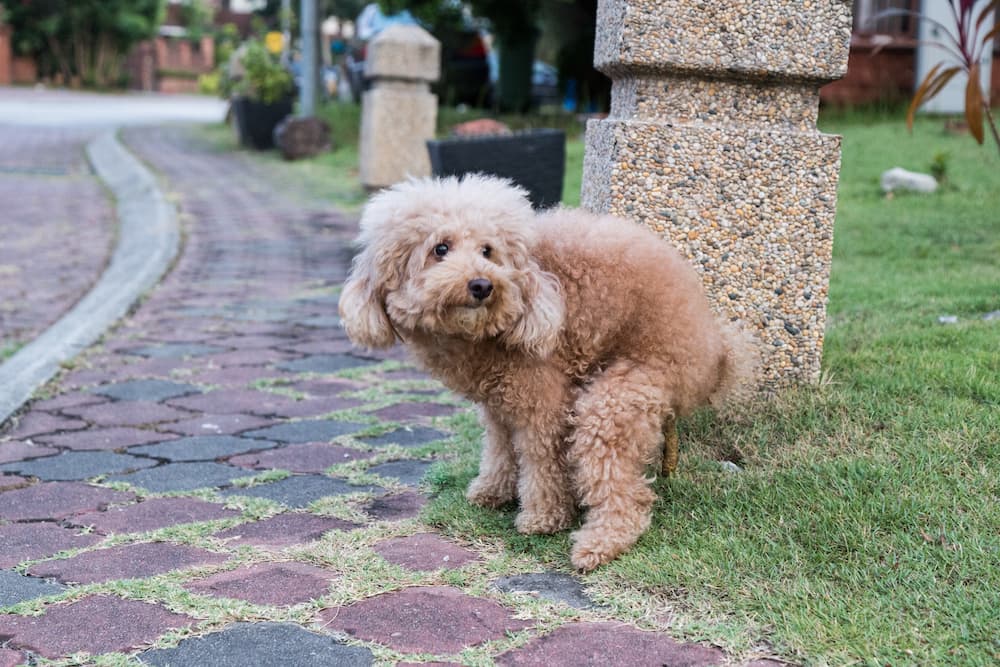
If you want to know how to bulk up dog stool, several strategies can help, from adjusting your dog’s diet to adding fiber, probiotics, or supplements that support digestive and anal gland health.
It’s important to note that persistent soft stool should be evaluated by a veterinarian first, since issues such as parasites, food sensitivities, infections, or other underlying conditions may require medical treatment before introducing dietary changes or supplements.
Fiber-rich foods
One of the first things veterinarians often recommend is introducing fiber-rich foods that can help firm up dog stools, Dr. Hohenhaus says.
“Adding a source of fiber will make many dogs’ stool quality wildly better,” she says. “Which is kind of counterintuitive because, you know, too much bran cereal and you’re doubled over and your poop is not any better.”
For dogs, especially those with what veterinarians call “fiber-responsive diarrhea,” extra fiber can make a big difference. One of the simplest ways to help bulk up dog stool is by adding plain, canned pumpkin to your dog’s diet, Dr. Hohenhaus says
“You can buy pumpkin in a can at the grocery store, even if it’s not Thanksgiving,” she says. “And by pumpkin, I mean pumpkin — no nutmeg, no cinnamon. And dogs will most often readily eat it.”
The typical recommendation is 1 to 4 tablespoons per day, depending on your dog’s size.
Other fiber-rich options include sweet potato and psyllium fiber. You can also discuss high-fiber prescription diets with your veterinarian.
Anal gland supplements
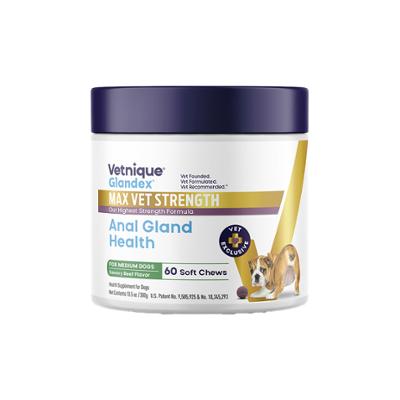
Another possible solution is anal gland supplements, which are designed to support healthy anal glands while helping to bulk up poop. Many supplements rely on ingredients like pumpkin seed, Dr. Hohenhaus notes, which offer similar benefits to feeding plain pumpkin.
“They come in a bunch of flavors, and so if your dog won’t eat regular pumpkin, maybe they’ll eat the anal gland supplements,” Dr. Hohenhaus says.
Among the products veterinarians commonly recommend is Glandex. The line now includes Glandex Max Vet Strength, a vet-formulated savory beef flavor soft chew that combines fiber, digestive enzymes, and probiotics to support stool quality and anal gland health.
“In terms of anal gland supplements, Glandex is going to be the one that I recommend,” Dr. Leuthold says.
If supplements like Glandex don’t resolve your dog’s stool problem, Dr. Leuthold adds, it’s time to consult a veterinarian to “make sure that there’s no underlying issues like allergies.”
Probiotics
Another approach that can help improve dog stool quality is introducing probiotics — beneficial bacteria that live in the digestive tract and help maintain healthy digestion.
“There are some studies that have shown that dogs who get probiotics get better from acute diarrhea,” Dr. Hohenhaus says. As veterinarians are encouraged to avoid using antibiotics in most acute diarrhea cases to combat antibiotic resistance, probiotics are a good way to help reestablish the gut’s healthy bacteria.
Probiotics are available in capsules, chews, powders, and pastes. Some digestive supplements, including Glandex Max Vet Strength soft chews, contain probiotic blends that provide multi-action support for a balanced gut microbiome. The fiber in these supplements may also serve as prebiotics to the healthy probiotics, feeding and encouraging their growth.
Dr. Hohenhaus also points out that many dog foods now include probiotics, which can be an easy way to introduce them into your dog’s diet.
Limiting fatty foods and table scraps
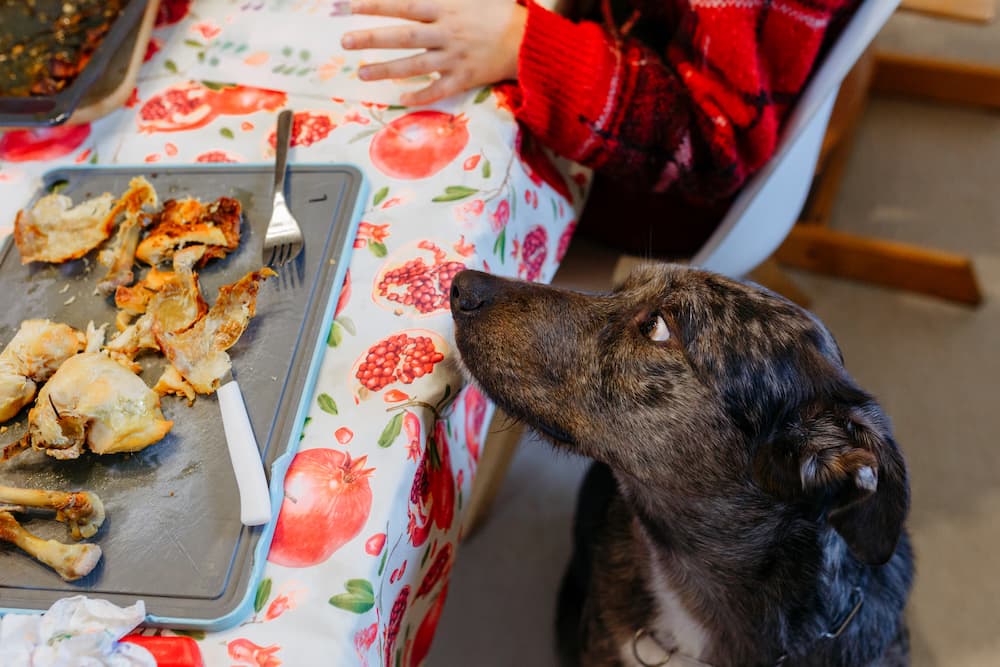
Another way to keep your dog’s stool firm is to avoid offering table scraps, especially rich, fatty foods.
“High fat foods can 110% disrupt digestion,” Dr. Leuthold says. “Many times it contributes to loose stools, so maintaining a consistent, balanced diet is important.”
Avoid giving your dog foods like bacon or pork loin, and pay attention to ingredient labels on dog food, Dr. Leuthold recommends.
“I would always recommend looking at the back of the contents, just like we look at the back of the contents for our food,” she says.
Many pet parents are used to sharing leftovers with their dogs, Dr. Hohenhaus acknowledges. “My mother would always put the leftover gravy on the dog’s kibble when I was a kid,” she says. “Some dogs are fine with it, but for a lot of dogs, that would cause diarrhea.”
Part of the problem is that fatty foods can irritate a dog’s digestive system and may even contribute to inflammation of the pancreas. It’s also worth noting that all treats, including table scraps, should not make up more than 10 percent of your dog’s total caloric intake. Beyond that, treats can throw off the balance of your dog’s diet, further contributing to abnormal stools.
Fixing your dog’s poop problem
While much of this advice focuses on firming up loose stools, the reverse problem — stools that are too hard — also deserves attention. When it comes to hard poop, proper hydration is key. Adding fiber-rich foods or using anal gland supplements, such as those made by Glandex, may also help support healthy stool consistency.
At the end of the day, healthy stools are a reflection of a healthy gut. With the right information about how to firm up dog stool, pet parents can take proactive steps to keep their dog’s digestive system (and their daily walks) running smoothly.