

Sponsored by CareCredit
Dog Intestinal Blockage Surgery: Cost and What to Expect
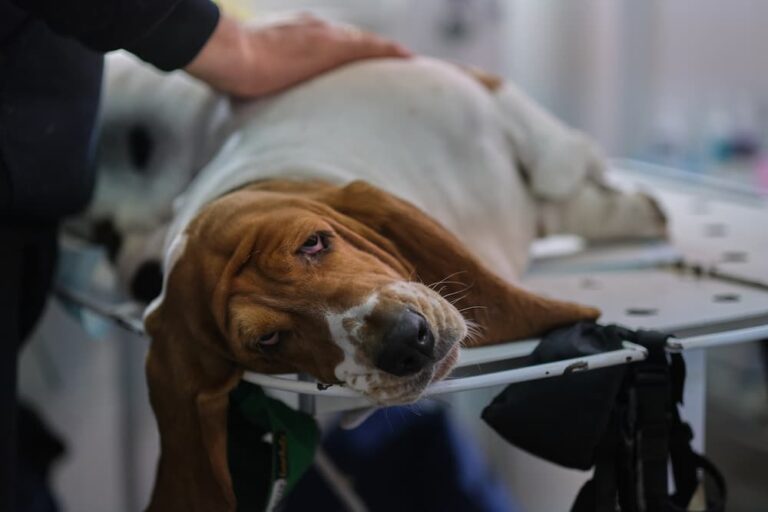
“What will dog intestinal blockage surgery cost?” is one of the first questions veterinarians hear when a pet parent learns their dog may have eaten something they should not have. It’s a fair question. This is one of the most common concerns surrounding canine intestinal obstruction.
An intestinal blockage can shift from a mild concern to a medical emergency faster than a Lab can steal a sock. When a foreign object gets stuck in the gut, surgery is often the only way to save the dog’s life.
Sadly, intestinal blockage in dogs is fairly common. Studies show foreign objects are a leading cause of emergency abdominal surgery in small animal practice. [1]
It’s especially common in curious puppies and dogs who like to chew or swallow non-food items. Anything from dog toys to socks, corn cobs, rocks, or underwear can pose a threat. It happens more frequently than you think.
On top of the emotional stress pet parents face in these situations, the cost of dog intestinal blockage surgery can also bring financial strain. Add the urgency of emergency surgery, and the stakes get even higher.
Being prepared for unexpected veterinary costs can make a big difference in how quickly your dog gets care. Options like pet insurance can provide coverage for eligible expenses. And CareCredit offers flexible financing so pet parents can pay for pet care costs over time instead of all at once.* That can make it easier to make critical decisions about a dog’s health when it matters most.
What Is Dog Intestinal Blockage Surgery?
Dog intestinal blockage surgery (also called canine bowel obstruction surgery) is a serious medical procedure. It’s often required when something is stuck inside the intestines and blocking the normal flow of food and fluid.
A blockage may happen when a dog swallows something that is too big to pass through the intestines. It can also occur when part of the intestine twists, folds, or becomes narrowed.
When this happens, it can reduce blood flow, and the gut tissue can become damaged or die. That is when things turn most dangerous.
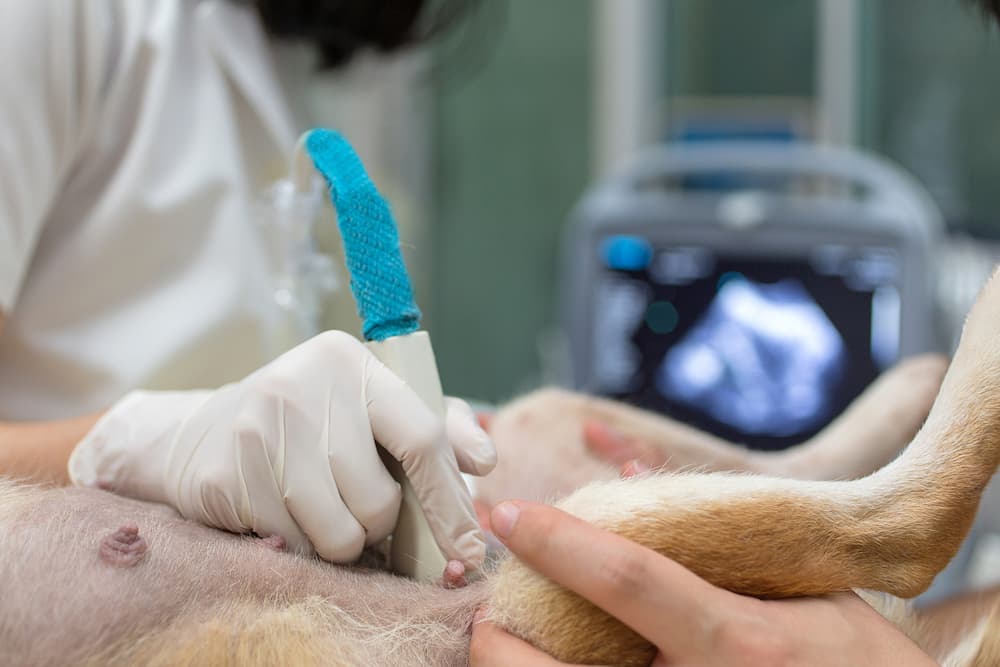
Veterinarians usually recommend surgery when imaging tests like radiographs (X-rays) or abdominal ultrasounds show a confirmed obstruction, or when a dog’s symptoms are severe and worsening. These symptoms often include repeated vomiting, abdominal pain, bloating, lethargy, and refusal to eat. If your dog looks miserable and cannot keep even water down, surgery may be the best path forward.
What Does Dog Intestinal Blockage Surgery Involve?
If your veterinarian schedules surgery for your dog’s intestinal blockage, they will ask you to withhold food before surgery. This helps reduce the risk of vomiting or aspiration while the dog is under anesthesia. That means no midnight snacks for your dog, even if they give you that pitiful stare.
When dogs are admitted for emergency surgery, this step is omitted. In these cases, the risk of the intestinal blockage worsening outweighs the risk of vomiting or aspiration.
Once your dog is ready for surgery, the first step is stabilization. Before your dog even enters the operating room, the vet team will prioritize correcting dehydration, balancing electrolytes, and controlling pain. This typically involves placing an intravenous catheter and starting intravenous fluids and medications.
Right before surgery, your dog will be placed under general anesthesia. Once they are asleep, a team member will shave the hair on their belly to prep them for surgery.
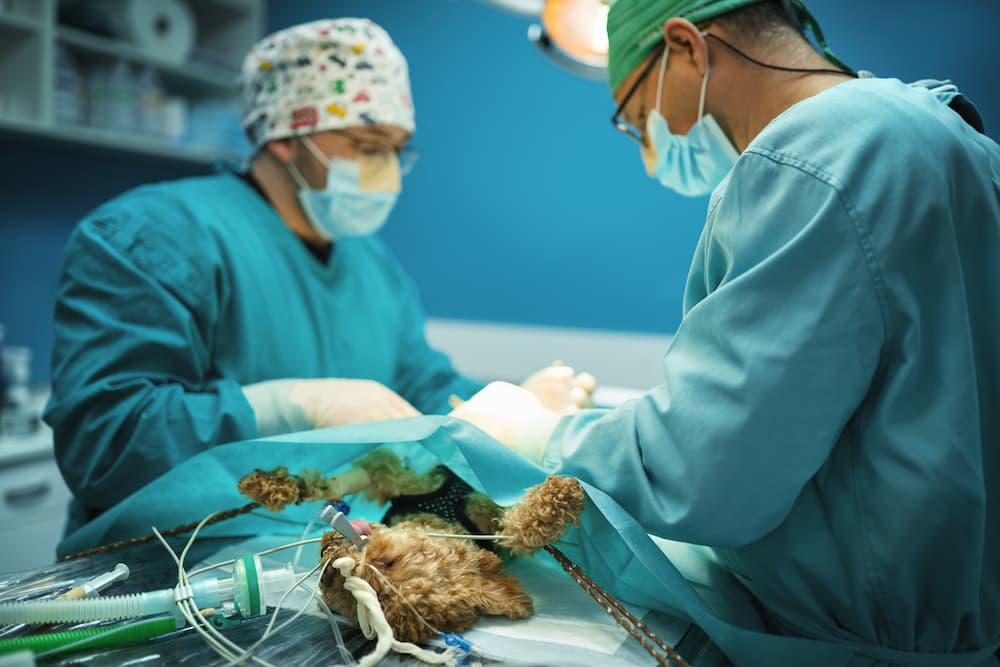
During surgery, the veterinarian makes an incision into the abdomen. In many cases, exploratory surgery is done first. That simply means the surgeon carefully examines the abdominal organs to find the exact location and cause of the problem.
Once the vet identifies the obstruction, the next step is to remove the foreign material. If the intestinal tissue is healthy, they may only need to make a small cut in the intestine, remove the obstruction, and close it.
If part of the intestine is damaged or dead, that section must be removed, and the healthy ends reconnected. This is called an intestinal resection and anastomosis. That’s just a fancy way of saying cutting out damaged intestines and sewing the healthy parts together so things can flow again.
Surgery typically takes one to three hours, depending on complexity. Afterward, dogs usually remain hospitalized for a few days for monitoring. They may receive pain management and supportive care, like fluids and anti-nausea medication.
Dog Intestinal Blockage Surgery: Benefits and Risks
The clearest and most critical benefit of intestinal blockage surgery in dogs is survival. Removing the blockage restores blood flow, prevents further damage, and allows the digestive system to function normally again.
Most dogs that receive prompt treatment recover well and, once recovered, go back to their normal, goofy selves. The dog intestinal blockage surgery survival rate is generally good when addressed early and treated promptly. [2]
That said, surgery is not without risk. Complications can include infection, leakage from the intestine, GI stasis, delayed healing, or anesthesia-related issues. [3] Dogs who are older, have other medical conditions, or arrive in shock may face a higher risk.
Recovery can involve discomfort, though pain can be well-managed with modern medications. Your dog may feel sore, tired, and more clingy than usual. In some dogs, post-surgery response might be dramatic. Others will just sleep for a day or two.
Most dogs are good candidates for abdominal surgery. However, those with severe underlying diseases or extremely unstable vital signs may need alternative approaches or extended intensive care support.
Dog Intestinal Blockage Surgery Cost
Now let’s talk numbers. The cost of dog obstruction surgery can be hard to swallow, even for pet parents who budget for dog health emergencies.
The cost of dog surgery for intestinal blockage varies widely depending on a variety of factors. These include: location, severity, whether the surgery is performed by a DVM or a board-certified veterinary surgeon, and whether complications are present.
On average, how much does intestinal blockage surgery cost for dogs? Ballpark ranges for basic uncomplicated blockage removal can be anywhere from $2,000 to $4,000. More complex surgeries with resection and extended hospitalization can cost $4,000 to $8,000 or more.
Additional costs associated with surgery for intestinal obstruction in dogs may include:
- Diagnostic imaging, such as ultrasounds or radiographs (X-rays)
- Blood work and other lab tests
- Intravenous fluids and medications
- Pain management and other prescriptions
- Follow-up visits and imaging
So when people ask how much is surgery for a dog with intestinal blockage, the most honest answer is: It depends, and it is rarely cheap.
This is where planning ahead for unexpected pet health emergencies helps. While pet health insurance may help offset some of the costs of this crucial surgery, the remaining balance can be considerable.
CareCredit helps pet parents manage the cost of dog surgery to remove a foreign object or intestinal blockage with a dedicated health and pet care credit card.
It’s easy to apply for and offers flexible financing, so you can pay off expensive dog emergency care over time. And you can use it anywhere in the CareCredit network, including many veterinary hospitals and emergency clinics.*
It is not a magic wand, but it can be a financial life raft for pet parents when they need it most. Like when a dog decides to eat a sock at 9 p.m. on a Sunday.
Dog Intestinal Blockage Surgery Recovery
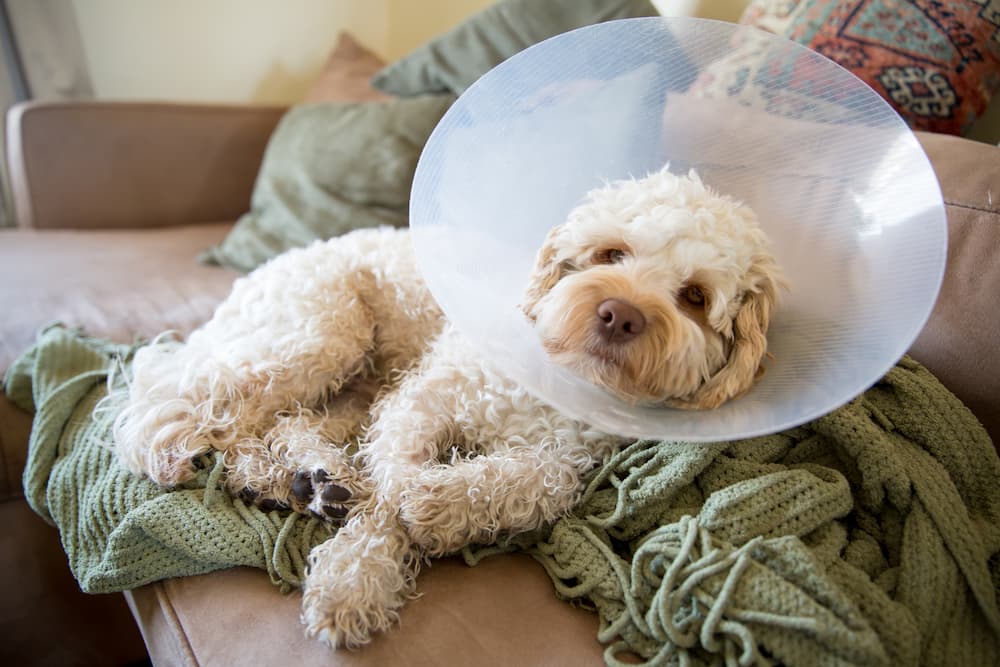
Recovery is where healing truly begins. Most dogs stay in the veterinary hospital for one to three days after surgery. Though some may stay longer if they have complications or extensive intestinal damage.
Pain is managed via medication, and your dog will likely go home with prescriptions to keep them comfortable. Infection is a concern, so antibiotics may also be part of the plan.
The dog intestinal blockage timeline for recovery often looks like this:
- Days 1 to 3: Rest, limited movement, slow return of appetite
- Week 1: Gradual improvement in energy, still restricted activity
- Weeks 2 to 3: Stitches or staples removed, activity mindfully increased
- Weeks 3 to 6: Gradual return to normal activity with vet approval, assuming no complications
After intestinal surgery, dogs typically need a temporary diet change to a food that is gentle and easy to digest. Most dogs need to wear an E-collar or recovery suit to prevent them from licking and chewing their stitches.
Follow-up appointments are important to make sure the incision is healing properly. Your vet may also remove stitches and confirm the intestines are functioning as they should.
Tips for supporting recovery
Curious about how you can support a speedy recovery? Speak softly to your dog. Offer them comfort and a cozy, warm, quiet place to rest near you. Do everything you can to keep them calm and limit activity, even if they beg to jump or zoom.
Watch for warning signs, such as:
- Vomiting, swelling, redness, or discharge at the surgical incision
- Fever
- Sudden lethargy
If something smells off or looks odd, trust your instincts and call your veterinary clinic.
There’s another layer to this: emotional recovery. Your dog may feel anxious or clingy after surgery. Gentle routines, familiar smells, and your calm presence go a long way. For more guidance on symptoms and prevention, you can also explore this helpful overview of intestinal blockage in dogs.
Final Thoughts
Dog intestinal blockage surgery can feel scary and overwhelming…not to mention expensive. But it is also lifesaving. With early treatment, careful recovery, and a bit of patience, most dogs go on to live full, tail-wagging lives.
Dog intestinal blockage surgery is truly one of the quieter miracles of veterinary medicine. Still, prevention and preparation matter. Keep tempting objects out of reach, supervise chewing, and choose toys that fit your dog’s size and habits.
Also, whether you opt for pet insurance, savings, a CareCredit emergency credit card (or all three) have a plan for covering unexpected costs. If a health crisis strikes, that will give you the freedom and peace of mind to focus on the most important thing–your dog’s health and comfort.
References
- Gastrointestinal Foreign Bodies. American College of Veterinary Surgeons. Retrieved from https://www.acvs.org/small-animal/gastrointestinal-foreign-bodies/
- Smith, Arik et al. “Outpatient gastrointestinal foreign body surgeries performed in a nonspecialized setting have good outcomes for dogs and cats.” Journal of the American Veterinary Medical Association vol. 263, S3 S25-S30. 1 Apr. 2025, doi:10.2460/javma.25.02.0067
- Whitehead, KimMi et al. “Gastrointestinal dysmotility disorders in critically ill dogs and cats.” Journal of veterinary emergency and critical care (San Antonio, Tex. : 2001) vol. 26,2 (2016): 234-53. doi:10.1111/vec.12449
*Subject to credit approval. See carecredit.com for details.
This information is shared solely for your convenience. Neither Synchrony nor any of its affiliates, including CareCredit, make any representations or warranties regarding the products described, and no endorsement is implied. You are urged to consult with your individual veterinarian with respect to any professional advice presented.