
Do Cats Sleep More in Winter?
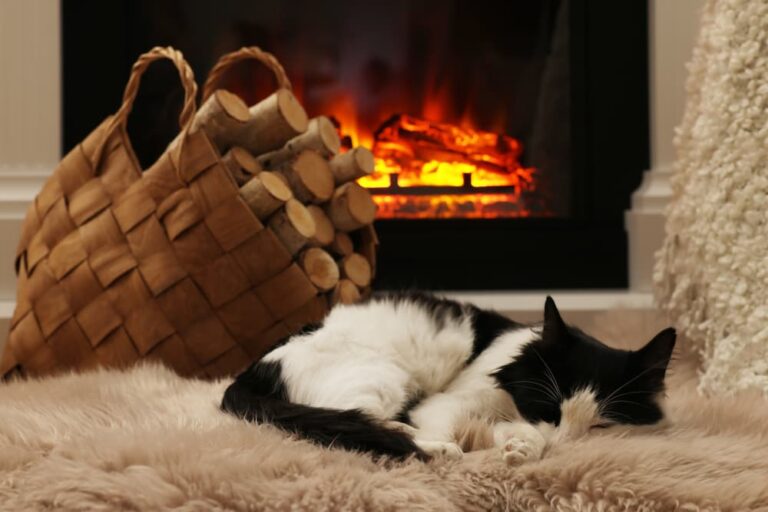
When the temperature drops, it’s easy to think about cozy nights by the fireplace with a warm cup of hot chocolate and falling asleep under a warm blanket. If you’re a cat parent, you may picture your cat cuddling up with you under the blanket for a snooze.
But have you ever wondered if your cat’s sleep habits change in the winter? In this article, we’ll explore why many cats sleep more in the winter, when sleeping a lot may indicate a health problem, and how to keep your cat happy when it’s cold outside.
Do Cats Sleep More in Winter? Here’s the Scoop
The short answer is, yes. Cats generally sleep more when it’s cold outside, but not every cat. Additionally, several factors influence a cat’s sleep, including age, diet, and lifestyle. These factors can influence how much a cat sleeps during the winter.
First, let’s talk about normal sleep patterns in cats. Like other mammals, cats are polyphasic sleepers, meaning they have distinct sleep phases, including drowsiness and REM sleep. They are also crepuscular, meaning they are more active during the night than during the day.
Cats don’t have long stretches of sleep. Instead, they take short naps throughout the day, lasting between 1 and 1.25 hours. Cats are also light sleepers, waking up quickly if there’s danger (or a can of delicious cat food opening) nearby.
Kittens sleep more than adults — about 18 to 20 hours a day — because they are actively growing and developing. Adult cats sleep for 12 to 16 hours a day. Senior cats sleep as much as 16 to 20 hours a day because they’re not as active as younger cats. Breed has little influence on sleep patterns.
Regarding diet, carbohydrate-rich diets may disrupt a cat’s sleep because the high level of carbohydrates quickly raises blood sugar levels, which can make cats feel restless and potentially lead to fragmented sleep. In contrast, high-protein diets align with a cat’s natural, animal protein-rich diet and contain tryptophan, an amino acid that promotes relaxation and sleepiness after a meal.
5 Reasons Cats Sleep More in the Winter
Let’s go through the reasons why cats usually sleep more in the winter.
Less sunlight
In the winter, the days are shorter and there’s less sunlight. To soak up as much warmth from the sun as possible before it gets dark outside, cats will seek out the sunny spots inside to sleep throughout the day.
Also, a cat’s circadian rhythm — their natural body rhythm — detects that there’s less sunlight and signals the body to sleep more.
Outdoor cats will adjust their hunting and other activities to dawn and dusk in the winter.
Decreased temperature
In the winter, cats will sleep more to conserve energy. This may not make much sense for indoor cats, because they live in a temperature-controlled environment. However, the natural instinct to sleep more to conserve energy when it’s cold outside is still present in indoor cats.
Conserving body heat and energy is especially important for outdoor cats in the winter, partly because prey is harder to find. Outdoor cats need to save up their energy for hunting hard-to-reach prey in the winter.
Natural instincts
Compared to outdoor cats, indoor cats live in relative comfort. However, indoor cats have the same instincts as their outdoor counterparts. Therefore, when outdoor cats hunker down and sleep more in the winter, so will indoor cats. Your fierce cat may not be hunting for their next meal, but don’t be surprised to see them catching extra snoozes when it’s cold outside.
Reduced activity
If you have an outdoor cat, you will likely keep them inside during the winter to keep them warm. Without the increased physical activity that comes with being outside, outdoor cats who stay inside for the winter tend to be less active and often spend the day sleeping.
Sleep quality
Colder temperatures can mean more sleep disruptions for cats, especially senior cats. More disruptions mean waking up more often and not being able to get good, restorative sleep. A sleep-deprived cat will try to compensate for the disrupted sleep by sleeping even more.
Do Cats Sleep More in the Winter Because They’re Depressed?
In people, Seasonal Affective Disorder (SAD) negatively affects mental health and can lead to changes in sleep patterns in the winter, namely sleeping more. You may wonder whether cats get depressed in the winter and therefore sleep more. However, to date, little research has been conducted to determine whether cats experience seasonal depression; therefore, there is currently no scientific evidence suggesting that cats are affected by SAD.
Why Is My Cat Sleeping So Much? How to Tell When It’s a Problem
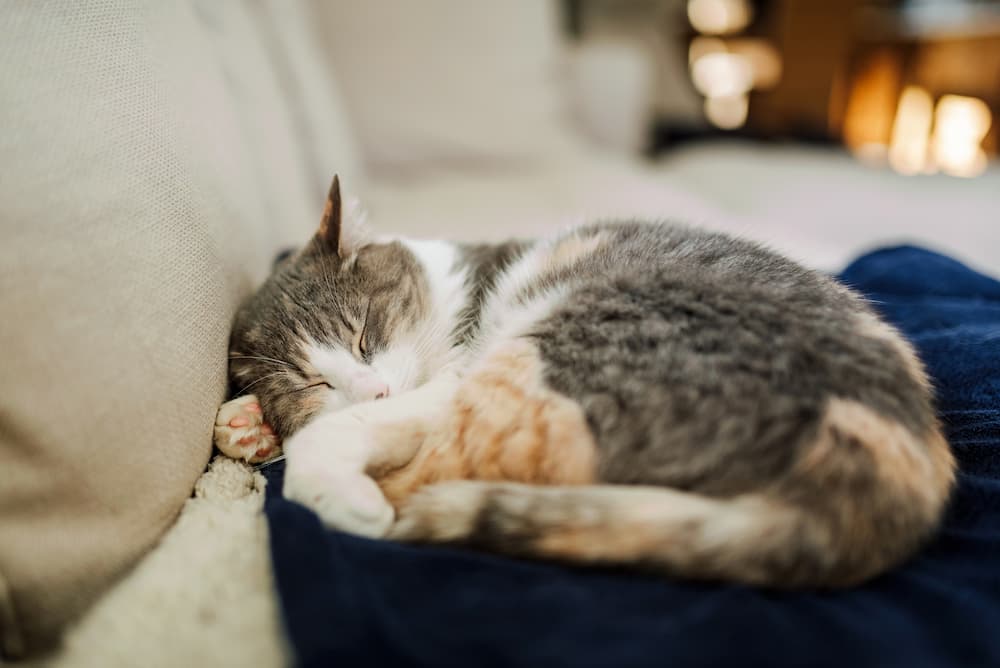
Cats already spend more than half of their day sleeping. But you may still ask yourself, is my cat sleeping too much?
To answer this question, it’s helpful to know how much your cat sleeps typically and pay attention to behavioral changes that could signal an underlying health problem. Here are some signs to look for:
- Sleeping more than usual and not playing
- Experiencing pain (more vocalizing, reluctance to be touched, difficulty moving around)
Several medical conditions could cause cats to sleep more than usual:
If you notice that your cat is sleeping more than usual and doesn’t have the same pep in their step, it’s time to schedule an appointment with your veterinarian. Your vet will take a detailed history, perform a physical exam, and run diagnostic tests to determine the underlying cause of your cat’s excessive sleep.
How to Keep Your Cat Active and Happy in Winter
Even if your cat is sleeping more in the winter, you can still find ways to keep them happy, active, and engaged during their waking hours. Below are some strategies for encouraging your cat’s physical and mental activity when it’s cold outside.
Daily physical activity. Because cats sleep more in the winter, they are generally less active. Therefore, daily playtime is a must to keep your cat physically active. There are numerous games you can play with your cat, such as having them chase a laser light on the floor. You can also place bits of treats around your home to make them hunt for their food, which also fosters their natural hunting instinct.
Enrichment toys. Food puzzle toys are an excellent option for mental enrichment. These toys are challenging yet not too demanding, allowing your cat to earn a tasty reward after figuring out how to access the food. Other enrichment toys include wadded-up paper, cardboard boxes, and even ping pong balls. Your cat may love to jump in and out of cardboard boxes, as well as make them a cozy place to hide.
Dietary adjustment. Less activity can mean packing on a few extra ounces for cats who tend to sleep more in the winter. If you’re concerned about your cat gaining weight during the winter months, consider transitioning them to a reduced-calorie diet. Don’t reduce their current diet, because this could negatively impact their nutrient intake. Your vet can recommend some reduced-calorie cat diets.
FAQs about Cold Cats
How much sleep do cats need?
Sleep requirements for cats vary according to age. Kittens need about 20 hours of sleep for healthy growth and development, while adult cats need 12 to 16 hours of sleep. Senior cats sleep nearly 20 hours a day, partly because they’re less active and mobile.
Is it normal for cats to sleep a lot in winter?
Yes, sleeping more in the winter isn’t unusual for cats, for reasons such as less daylight, colder temperatures, and reduced activity.
How many hours do cats sleep in the winter?
There isn’t an exact number for how many hours cats sleep in the winter, but don’t be surprised if your cat sleeps well over half the day when it’s cold outside.
Do cats hibernate?
No, cats do not hibernate. But outdoor cats will hunker down and sleep more in the winter to conserve energy and body heat.
Do cats eat more in winter?
Cats may eat less in the winter because they are less active and aren’t working up a big appetite. However, monitor your cat’s food intake, as they may gain weight in the winter due to reduced activity. You may have to switch your cat to a reduced-calorie diet to help avoid weight gain when it’s cold outside.