

Sponsored by Royal Canin
6 Benefits of Fresh Frozen Dog Food

All featured products are chosen at the discretion of the GreatPetCare editorial team and do not reflect a direct endorsement by the author or reviewer.
As pet parents look to provide their dogs with more enriching lives, many are considering alternative methods of feeding outside of the well-established and reliable kibble diets. There is a growing interest in fresh, minimally processed diets, such as fresh frozen dog food. With the right veterinary guidance, fresh frozen dog food can be a healthful option for the canine members of your family.
What Is Fresh Frozen Dog Food?
Fresh frozen dog food is one type of dog food under the greater umbrella term of “fresh dog food.” Fresh dog food refers to minimally processed dog meals that are made with whole-food ingredients, such as meats, vegetables, and grains. These foods are usually gently cooked and then either refrigerated or frozen.
Refrigerated fresh foods are generally pre-cooked prior to purchase, kept chilled in your refrigerator, and ready to serve. These foods generally have a shorter shelf-life.
Fresh frozen diets are usually pre-cooked prior to purchase, flash-frozen to preserve nutrients, stored in your freezer, and then thawed in the refrigerator prior to serving. Fresh frozen foods, like Royal Canin’s fresh veterinary diets, usually have a longer shelf-life than refrigerated fresh foods.
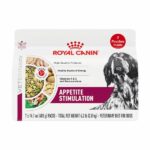
Royal Canin Appetite Stimulation Fresh Frozen Dog Food
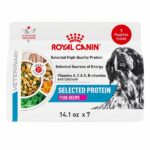
Royal Canin Selected Protein Pork Recipe Fresh Frozen Dog Food
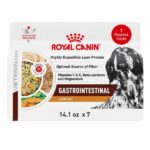
Royal Canin Gastrointestinal Low Fat Fresh Frozen Dog Food
Fresh frozen dog food is not the same as frozen raw dog food. Raw dog food is not cooked and carries a higher risk of foodborne illness for both pets and humans, though some manufacturers use pressure processing or freezing to try to decrease these risks. The American Veterinary Medical Association (AVMA) does not recommend feeding raw or undercooked animal-sourced proteins to dogs or cats.
6 Benefits of Fresh Frozen Food for Dogs
Fresh frozen dog food comes with several potential benefits:
Highly digestible ingredients
Fresh food for dogs generally uses whole, high-quality, human-grade ingredients. These include lean proteins, fresh vegetables, and simple grains. Processing is usually minimal, involving cooking to temperatures that kill disease-causing agents and then freezing to preserve nutrients. Because these diets are usually highly digestible, dogs may also produce less waste, meaning smaller stool sizes.
Palatability for picky eaters
Fresh frozen dog foods are generally very palatable. These foods have a high moisture content and maintain their meaty and fatty aromas, so they are often enticing to picky dogs. The taste and texture may also appeal to dogs who are turning their noses up at kibble foods.
Convenience of portioned meals
Fresh frozen dog foods often come in small, pre-packaged portions. These are easy to thaw appropriately and then feed to your dog, with minimal measurement of food quantity required.
Gastrointestinal microbiome support
Your dog’s digestion is heavily impacted by the microscopic organisms that live in their gastrointestinal tract. These organisms make up your pet’s gastrointestinal microbiome. The specific proteins and fiber sources used in fresh frozen diets may be beneficial to the gut microbiome.
Long shelf life
Fresh frozen dog food generally has a longer shelf-life than refrigerated fresh foods. Royal Canin’s fresh frozen diets can be stored in the freezer for up to 12 months. The diets should be thawed for 24 hours in the refrigerator before serving and then can be stored there for up to 5 days.
Support for unique health needs
Pet parents who feed fresh frozen diets and find themselves needing a therapeutic diet for their pet’s specific needs are beginning to have prescription fresh frozen options. For example, Royal Canin fresh food options in their therapeutic line are geared toward appetite stimulation, gastrointestinal or low-fat dietary needs, and food allergies.
Every type of dog food comes with potential benefits and drawbacks, so it’s best to work with your veterinarian to find a diet that’s suitable for your pup. Any canine dietary change is best made under veterinary guidance.
Reasons Your Vet May Recommend a Therapeutic Fresh Frozen Diet
Many fresh frozen dog foods are formulated for general wellness, but some are formulated to meet specific health needs. Royal Canin’s Vet Fresh line is a fresh frozen nutrition line that’s only available through veterinarians.
Royal Canin Appetite Stimulation Fresh Frozen Dog Food
Royal Canin Gastrointestinal Low Fat Fresh Frozen Dog Food
Royal Canin Selected Protein Pork Recipe Fresh Frozen Dog Food
Your veterinarian may recommend a fresh frozen therapeutic diet for any of the following concerns:
Appetite stimulation support: A fresh frozen food designed to support pets with decreased appetite can help provide balanced nutrition to dogs experiencing difficulty chewing or weight loss. This can include dogs who are recovering from critical illness and have increased metabolic needs. Royal Canin’s Appetite Stimulation fresh frozen recipe features chicken and pork as animal protein sources, along with ingredients such as russet potatoes, green beans, kale, and Cremini mushrooms.
Gastrointestinal sensitivities: A fresh frozen dog food that supports gastrointestinal sensitivities can help pets who have fat-restrictive dietary needs or gastrointestinal conditions. Examples of conditions that may benefit from such a diet include pancreatitis or protein-losing enteropathy. Royal Canin’s Gastrointestinal Low Fat fresh frozen recipe combines turkey and brown rice with fiber sources including powdered cellulose and psyllium seed husk to support dogs with gastrointestinal needs.
Food sensitivities: Dogs with food sensitivities may benefit from a fresh frozen diet that limits their exposure to certain dietary proteins. Royal Canin’s Selected Protein fresh frozen recipe uses pork as its single source of animal protein. According to a 2016 research article, 98 percent of dogs with food allergies do not display allergic reactions to pork (1). The addition of fatty acids like EPA and DHA can also provide support for sensitive skin.
Before switching to a therapeutic fresh frozen diet, make sure to speak with a veterinarian. These formulas are designed to help manage specific clinical needs in pets, and they require a veterinary prescription.
How to Transition Your Dog to a Fresh Diet

When transitioning to a fresh frozen diet, keep the following tips in mind:
- If your fresh frozen food ships with dry ice, do not touch the dry ice. Allow it to vanish in a well-ventilated area safe from pets and children.
- When you first receive your dog’s fresh frozen food, make sure to place a couple packages in the refrigerator to allow thawing.
- Defrosting the food in the refrigerator may take up to 24 hours. It’s best to set the food in the refrigerator at a specific time each day so that you remain consistent in meal timing.
- Any food that is left over can be kept in the refrigerator in a sealed container. Make sure to note on the packaging how long the food can remain refrigerated before it must be thrown out.
In most cases, transitions to a new diet should happen slowly over 7 to 10 days to avoid causing digestive upset. Here is an example schedule for a week-long dietary transition to fresh frozen food:
- Day 1–2: 75% old food, 25 % new fresh frozen food
- Day 3–4: 50% old food, 50% new fresh frozen food
- Day 5–6: 25% old food, 75% new fresh frozen food
- Day 7: 100% new fresh frozen food
Some dogs with food sensitivities may need longer transitions. If you’re being switched to a therapeutic diet, the veterinarian may recommend a more rapid transition depending on your dog’s individual needs. Always follow your veterinarian’s recommendation for transitioning to a new diet.
Fresh frozen food can be fed as a complete meal or mixed with a dog’s current food as a topper. If you will be using the food as a topper, keep in mind that you will want to make sure your dog’s usual diet comprises at least 90 percent of their daily calories. If used as a topper, the food should be considered part of the dog’s treat allotment, which is about 10 percent of their daily caloric intake.
Other Tips for Choosing the Right Fresh Dog Food
- Look for diets that meet the standards set forth by the Association of American Feed Control Officials (AAFCO) and/or the nutritional guidelines of the World Small Animal Veterinary Association (WSAVA).
- Make sure the diet is appropriate for your dog’s life stage and breed. For example, a puppy needs to be fed a food that meets their growth requirements.
- Avoid raw food diets. If you wish to feed raw foods, make sure to speak with your veterinarian so that you understand the risks and safety recommendations.
- Consider ordering food from a company whose diets are guided by the recommendations of licensed veterinary nutritionists.
There isn’t a single “best” diet that meets the needs of every dog. Fresh frozen dog food can be a good option for some pets, while others will do just fine with kibble or a canned diet. A veterinarian can help you determine the best nutritional approach for your dog based on your dog’s age, lifestyle, health needs, and your preferences as the pet parent.
Reference
- Mueller, Ralf S et al. “Critically appraised topic on adverse food reactions of companion animals (2): common food allergen sources in dogs and cats.” BMC veterinary research vol. 12 9. 12 Jan. 2016, doi:10.1186/s12917-016-0633-8