

Sponsored by CareCredit
Cat Intestinal Blockage Surgery: Cost and What to Expect
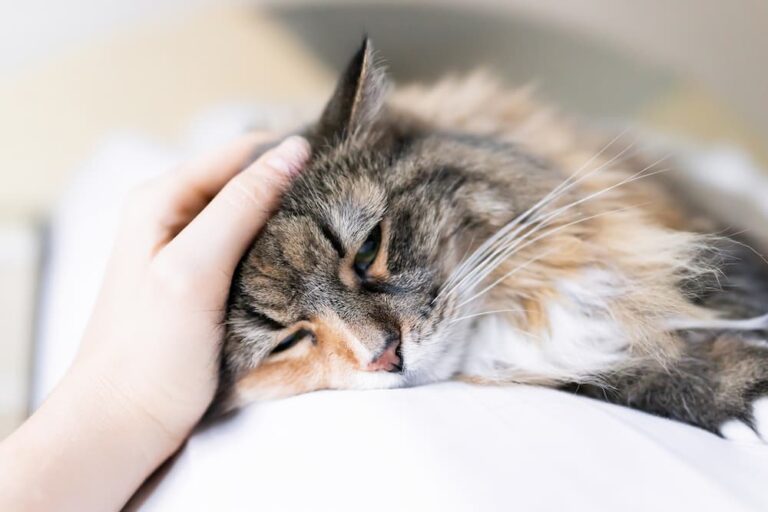
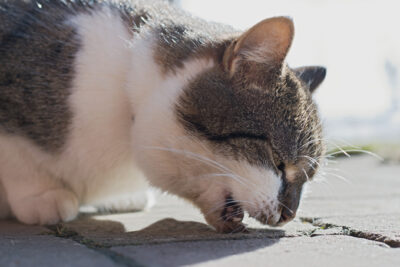
Intestinal blockages in cats are relatively common and are caused by accidental ingestion of foreign objects, such as toys or string. Cats with long fur can have intestinal blockages from swallowing hairballs as well. Unfortunately, intestinal blockages in cats are considered medical emergencies, and many require surgery for resolution.
Cat intestinal blockage surgery costs can vary based on the geographic location of the practice and the type of practice (emergency vs primary care), but these surgeries tend to be rather expensive.
It is important to be financially prepared for unexpected medical costs to ensure your cat receives the care they need in an emergency. Financial tools like CareCredit* and pet insurance can help you manage unexpected expenses and give you peace of mind when unforeseen situations arise.
What Is Cat Intestinal Blockage Surgery?
Cat intestinal blockage surgery removes an obstruction within the small or large intestines. This surgery is commonly used to remove foreign objects, such as string, hairballs, toys, or bedding that a cat has accidentally ingested. Sometimes, small pieces of foreign objects can pass through the intestines, while other times objects cause partial or full blockages of the cat’s intestines. While partial blockages may sometimes be alleviated through medical management, a veterinarian will often recommend surgery. In cases where the intestines are completely obstructed, surgery is always required.
What Does Cat Intestinal Blockage Surgery Involve?
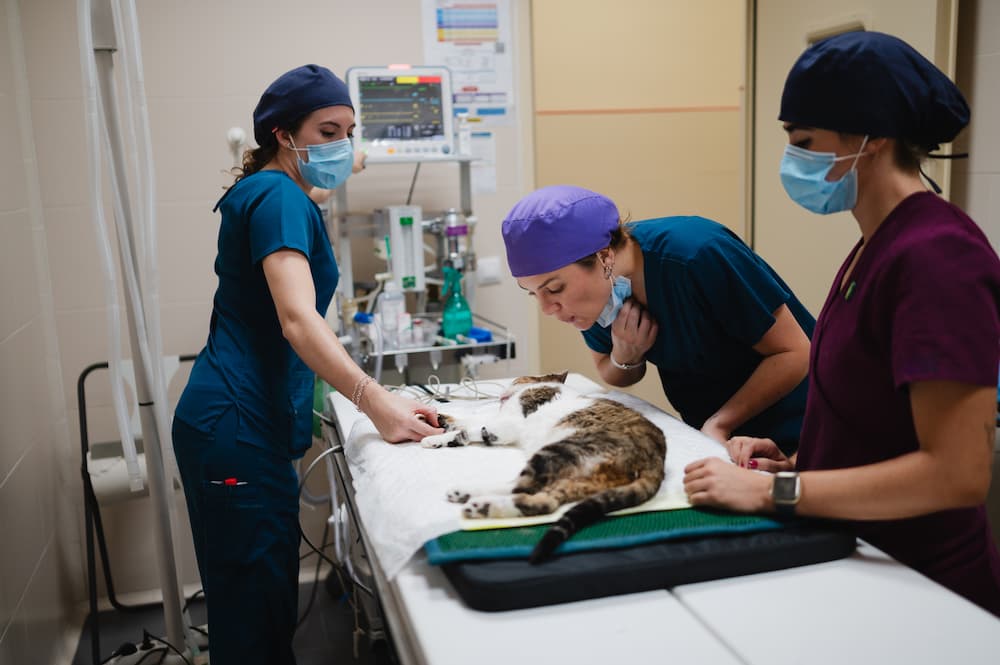
It’s important for pet parents to know what to expect when preparing their cats for intestinal blockage surgery. Generally, it is recommended that food is removed 12 hours prior to surgery, but this can vary depending on the cat’s age and health status. For example, kittens usually need a shorter fasting period to ensure their blood sugar stays regulated prior to surgery. Water is generally okay to leave out for your cat. Pet parents should always follow their veterinarian’s instructions regarding withholding food or water before the surgery.
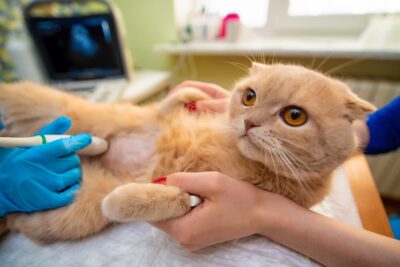
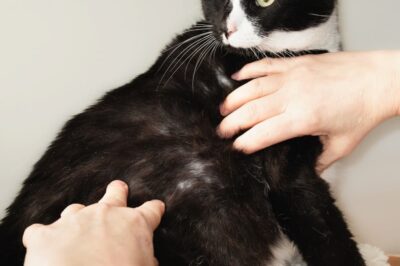
On the day of surgery, pet parents will arrive at the veterinary hospital and be directed to an exam room. The veterinarian will perform a physical exam, paying special attention to your cat’s heart and lungs. If the cat has not had bloodwork yet, a small amount of blood will be removed from the cat’s vein to check their overall health and identify any abnormalities that may affect anesthesia, such as high kidney values. If bloodwork and the exam are okay, the veterinarian will take your cat back to the surgery prep area.
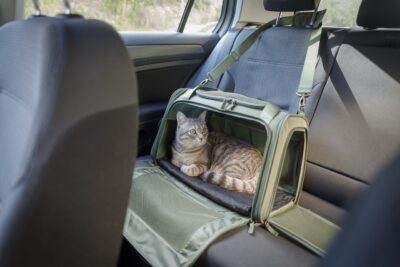
Since the surgery and recovery time is lengthy, pet parents generally leave the veterinary clinic and wait for a call from a member of the vet team, who will provide an update and pickup time after surgery.
Your cat will be given a sedative to help make them sleepy before the surgery. The veterinarian may place a catheter in the cat’s vein to administer fluids before and during the surgery. The fur on a cat’s forearm will be shaved to make this process easier. Your cat will be placed under anesthesia and a small tube will be placed in their throat so that oxygen and inhalant anesthesia can be given.
The veterinarian will make a small cut on your cat’s abdomen through the skin, fat, and muscle to reach the intestines. If the veterinarian is unsure where the obstruction is, they will start to gently feel and look through the intestines to locate it. Once located, the obstruction will be removed and the cat’s belly will be stitched back up.
After the surgery is done, the cat is woken up from anesthesia and taken to a recovery area. The surgical process generally takes between one and two hours, while recovery can last several hours for anesthesia to completely wear off. Medications for pain can be given through the cat’s catheter to keep your cat comfortable during this time.
Cat Intestinal Blockage Surgery: Benefits and Risks
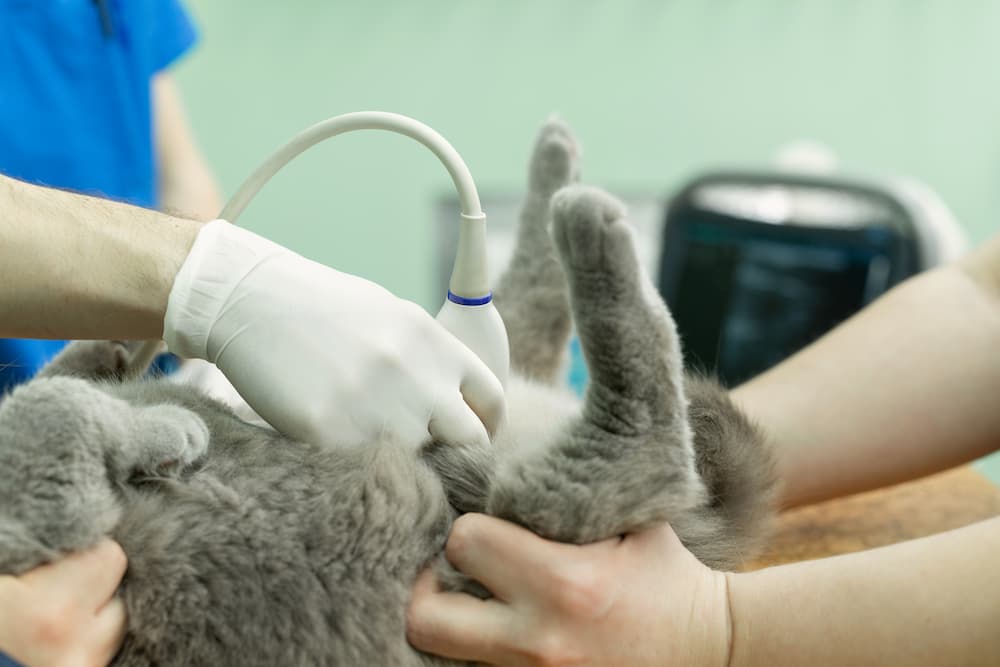
Overall, the cat intestinal blockage surgery survival rate is around 90 percent (1). This can vary depending on many factors, such as the cat’s age and overall health status, the type of obstruction, and any complications (bleeding, infection) that may occur during recovery.
There are many benefits and risks associated with cat intestinal blockage surgery. Important points pet parents should be aware of prior to surgery include the following:
Benefits
- Removes the intestinal obstruction
- Repairs or removes any damaged parts of the intestines
- Explores the full extent of the intestines to identify abnormalities
- Prevents life-threatening complications, such as sepsis or intestinal tearing
- Regulates and restarts normal digestive processes by removing obstruction
Risks
- Leaking of intestinal contents into the abdomen causing inflammation and infection
- Opening (dehiscence) of the surgical area
- Death of intestinal tissue due to decreased blood flow
- Potential for strictures in the intestines
- Slower digestion (ileus) occurring during recovery
- Anesthesia complications
- Blood loss
- Variable healing time
Cat Intestinal Blockage Surgery Cost
The cost of cat surgery for intestinal blockages varies greatly depending on whether the procedure is performed at a primary veterinary clinic or an emergency hospital. CareCredit reports an average cost of about $1,260 (2) for this surgery. In general, the cost can range from $500 to $2,000, and it can increase significantly if an extended hospital stay is needed during recovery.
Because these expenses can be both significant and unexpected, pet parents may consider using CareCredit to pay for surgery-related costs.* CareCredit offers flexible financing options that can help ease the burden during emergencies.
Cat Intestinal Blockage Surgery Recovery
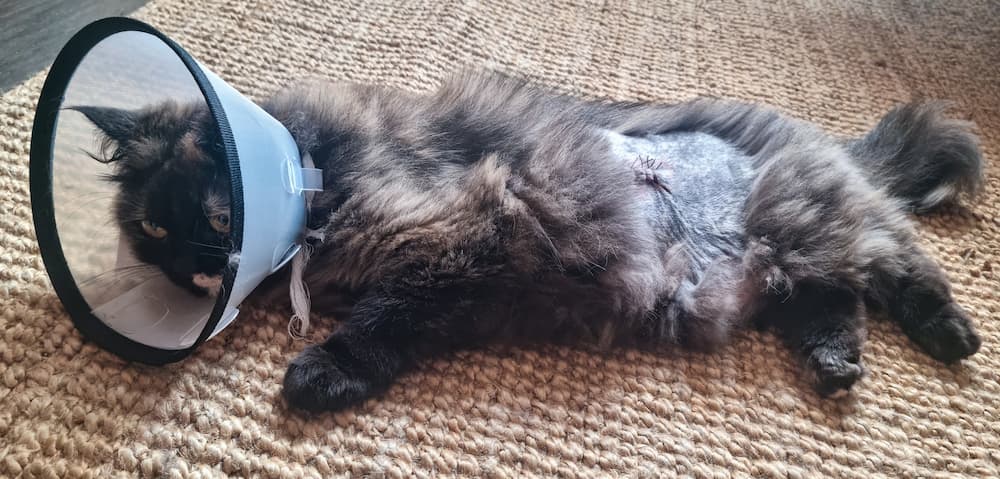
Cats recovering from intestinal blockage surgery can go home the same day in most cases. But a veterinarian may require hospitalization for a day or two if the cat was significantly ill from the intestinal obstruction or if risk for complications is higher (due to other underlying health issues).
Recovery is often painful but is managed through oral or injectable pain medications, such as buprenorphine. Infections at the surgical site can occur and would be treated with antibiotics, but this is less common.
Recovery time varies, but it is generally quicker than many other surgeries in cats. Recovery is very similar to a spay procedure where your cat will wear a cone, have exercise restrictions for seven to 10 days, and be rechecked by a veterinarian to ensure the incision is healing well. Most cats recover within 10 days and resume their normal lifestyle. If they experience any complications from surgery, such as the incision opening back up or signs of infection, recovery can take longer.
You should check your cat’s incision site twice daily. If you notice any swelling, pus-like discharge, or opening of the site, contact your veterinarian for a checkup. A small amount of clear, serous fluid draining from the incision site for the first day or two after surgery is normal and to be expected.
A specific prescription diet, such as Hill’s i/d Digestive Care, may be recommended during recovery as it is easier on your cat’s digestive tract. Ensure your cat has access to clean, fresh water at all times and a private spot to rest in during recovery.
References
- Hayes G. Gastrointestinal foreign bodies in dogs and cats: a retrospective study of 208 cases. J Small Anim Pract. 2009 Nov;50(11):576-83. doi: 10.1111/j.1748-5827.2009.00783.x. Epub 2009 Oct 8. PMID: 19814770.
- Veterinary Exam and Procedure Costs. CareCredit. Retrieved from https://www.carecredit.com/vetmed/costs/
*Subject to credit approval. See carecredit.com for details.
This information is shared solely for your convenience. Neither Synchrony nor any of its affiliates, including CareCredit, make any representations or warranties regarding the products described, and no endorsement is implied. You are urged to consult with your individual veterinarian with respect to any professional advice presented.